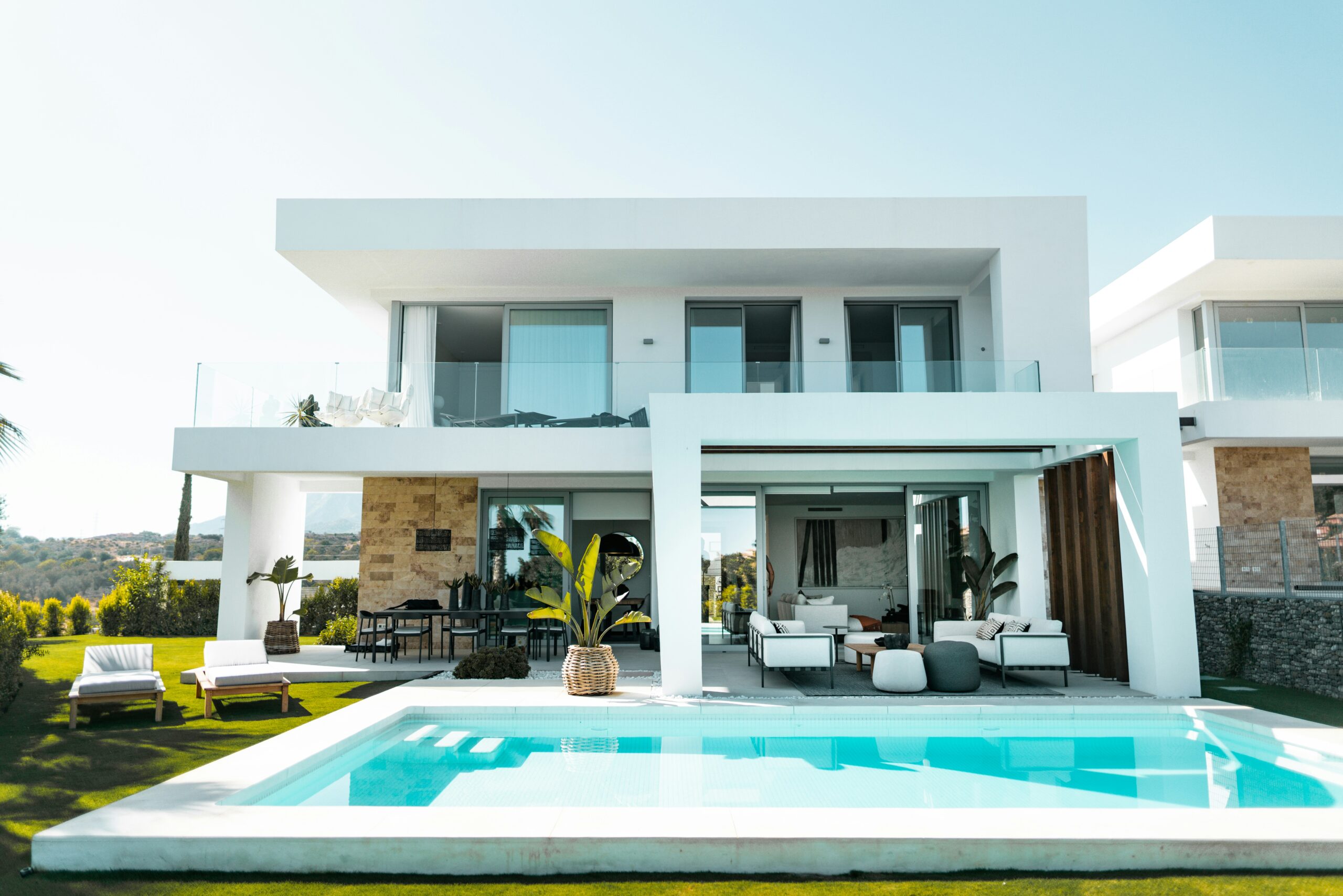
Your Home Could Be Sipping Energy Instead of Guzzling It
Picture this: it’s mid-January in Munich, snow is falling, and your heating bill arrives. You open it nervously, expecting the usual shock—but it’s just €25 for the entire month. Sounds like fantasy? Welcome to the world of Passive House design, where German engineering precision meets common sense to create homes that barely need heating or cooling.
A Passive House (or Passivhaus if you want to impress your neighbors) can slash energy consumption by up to 90% compared to conventional buildings. That’s not a typo. We’re talking about heating a 150m² home for roughly the same cost as your monthly Netflix subscription.
What Makes a Passive House Actually “Passive”?
The name might sound a bit… lazy, but there’s genius in the simplicity. Passive Houses work with nature rather than against it, using five core principles that would make your physics teacher proud:
Superior Insulation: Think of your home wearing a really good winter coat—we’re talking 250-350mm thick walls compared to the typical 100mm. It’s like the difference between a light jacket and a proper parka.
Triple-Glazed Windows: These aren’t your gran’s windows. With three panes of glass and special coatings, they’re so efficient they actually gain more heat from sunshine than they lose to the cold. Mind. Blown.
Airtight Construction: Before you panic about feeling trapped, this doesn’t mean suffocating. It means no sneaky drafts stealing your warmth (and money) through random gaps. Every joint is sealed tighter than a submarine.
No Thermal Bridges: These are the architect’s nemesis—spots where heat escapes faster, like weak links in a chain. Passive Houses eliminate them completely through clever detailing.
Smart Ventilation: Here’s where it gets really clever. A mechanical ventilation system with heat recovery (MVHR) brings in fresh air while capturing up to 95% of the heat from stale air going out. It’s like having your cake and eating it too—fresh air without the energy waste.
Show Me the Money: Is It Worth It?
Let’s talk brass tacks. Building to Passive House standards adds roughly 5-15% to construction costs. For a €250,000 home, that’s an extra €12,500-€37,500 upfront. Your accountant might wince, but stick with me.
A conventional German home might cost €1,800-€2,400 annually to heat. A Passive House? Try €180-€300. That’s €1,500-€2,100 in your pocket every year. With energy prices doing their best impression of a rocket, your payback period could be as short as 7-10 years.
Plus, when you sell, Passive Houses command 5-15% premiums. Turns out buyers quite like homes that don’t require a small mortgage just to stay warm.
Not All Europe Is Created Equal
The beauty (and challenge) of Passive House design is adapting to local climates. What works in Stockholm won’t necessarily work in Seville.
Northern Europe (hello, Scandinavia): Maximum insulation is king. We’re talking 400-500mm in roofs. South-facing windows capture every precious ray of winter sun, while north-facing windows are kept minimal. One Swedish project near Stockholm achieves €120 annual heating costs despite -20°C winters. Try matching that with your current setup.
Central Europe (Germany, Austria, Switzerland): The Goldilocks zone—not too hot, not too cold. Balanced window distribution, good insulation (300-350mm), and external shading for summer. Most European Passive Houses follow these principles.
Mediterranean Regions: Plot twist—here it’s more about staying cool. Moderate insulation, maximum shading, thermal mass to absorb heat, and night ventilation. One project in Mallorca maintains comfortable temperatures through 35°C+ summers without air conditioning. Take that, climate change.
The Renovation Reality Check
“Great,” you’re thinking, “but I already own a 1920s terrace in Bristol.” Fear not! Enter EnerPHit—Passive House’s slightly more relaxed cousin for retrofits.
A London Victorian terrace was recently transformed from an energy-guzzling monster (245 kWh/m²/year) to an EnerPHit champion (38 kWh/m²/year). The owners went from €2,100 to €280 in annual heating costs. Yes, it cost €140,000, but with a 12-year payback period and dramatically improved comfort, they’re sleeping well at night—in properly regulated temperatures, naturally.
Common Worries (and Why You Shouldn’t Lose Sleep)
“Won’t I overheat in summer?” Actually, no. External shading (85% more effective than curtains), night ventilation, and thermal mass keep you comfortable. Climate change is making this challenge real, but Passive Houses are designed for it.
“Isn’t airtight construction… unhealthy?” Quite the opposite! The MVHR system provides continuous filtered fresh air. You’re actually getting better air quality than constantly opening windows in polluted cities. Hay fever sufferers especially love this.
“It sounds complicated.” It is—but that’s your designer’s problem, not yours. Once built, Passive Houses are actually simpler to operate than conventional homes. No fiddling with radiators in every room; just set your comfortable temperature and forget about it.
Your Passive House Journey Starts Here
Whether you’re building new or retrofitting, the process begins with finding a Certified Passive House Designer. They’ll guide you through the specific requirements for your location, help navigate local building regulations, and ensure you don’t fall into common rookie traps.
Many European countries now offer substantial grants—Germany’s KfW program can cover up to 45% of costs, Austria offers €5,000-€15,000 depending on region, and France’s MaPrimeRénov’ provides up to €10,000 for retrofits. Your Passive House might be more affordable than you think.
The Bottom Line
Passive House design isn’t some hippie pipe dream or luxury for the wealthy. It’s mature, proven technology that’s becoming mainstream across Europe. With EU regulations pushing toward zero-emission buildings by 2030, Passive House standards aren’t just smart—they’re practically inevitable.
In an uncertain world of fluctuating energy prices, geopolitical tensions, and climate concerns, there’s something deeply satisfying about a home that simply doesn’t need much energy to stay comfortable. It’s not about sacrifice or discomfort; it’s about intelligent design working so well that you barely notice it—except when that heating bill arrives and you actually smile.
Your move.
Resources:
- Passive House Institute: www.passivehouse.com
- iPHA Designer Database: www.passivehouse-international.org
- UK: www.passivhaustrust.org.uk
- Germany: www.passiv.de
- France: www.lamaisonpassive.fr
Meta Description: Discover how Passive House design cuts heating costs by 90% across Europe. Learn about costs, climate-specific strategies, and whether retrofitting your home makes sense.