The Great European Wall Debate
Twenty years ago, everyone wanted open plan. Knocking down walls became the default renovation move—estate agents loved it, lifestyle magazines promoted it, and TV shows made it look easy. Just sledgehammer that wall between kitchen and dining room, and suddenly you’re living in a light-filled, social utopia where dinner parties flow effortlessly and families bond over unobstructed sightlines.
Then 2020 happened. Suddenly, two adults on Zoom calls with three kids doing remote learning in one open space revealed some cracks in the utopian vision. Now in 2025, Europeans are having a collective rethink. Some are reinstalling walls. Others are defending their open plans fiercely. The truth, as usual, sits somewhere in the middle.
Let’s talk honestly about open plan living—when it works, when it spectacularly doesn’t, and how to make it actually livable rather than just photogenic.
What “Open Plan” Actually Means (And Doesn’t)
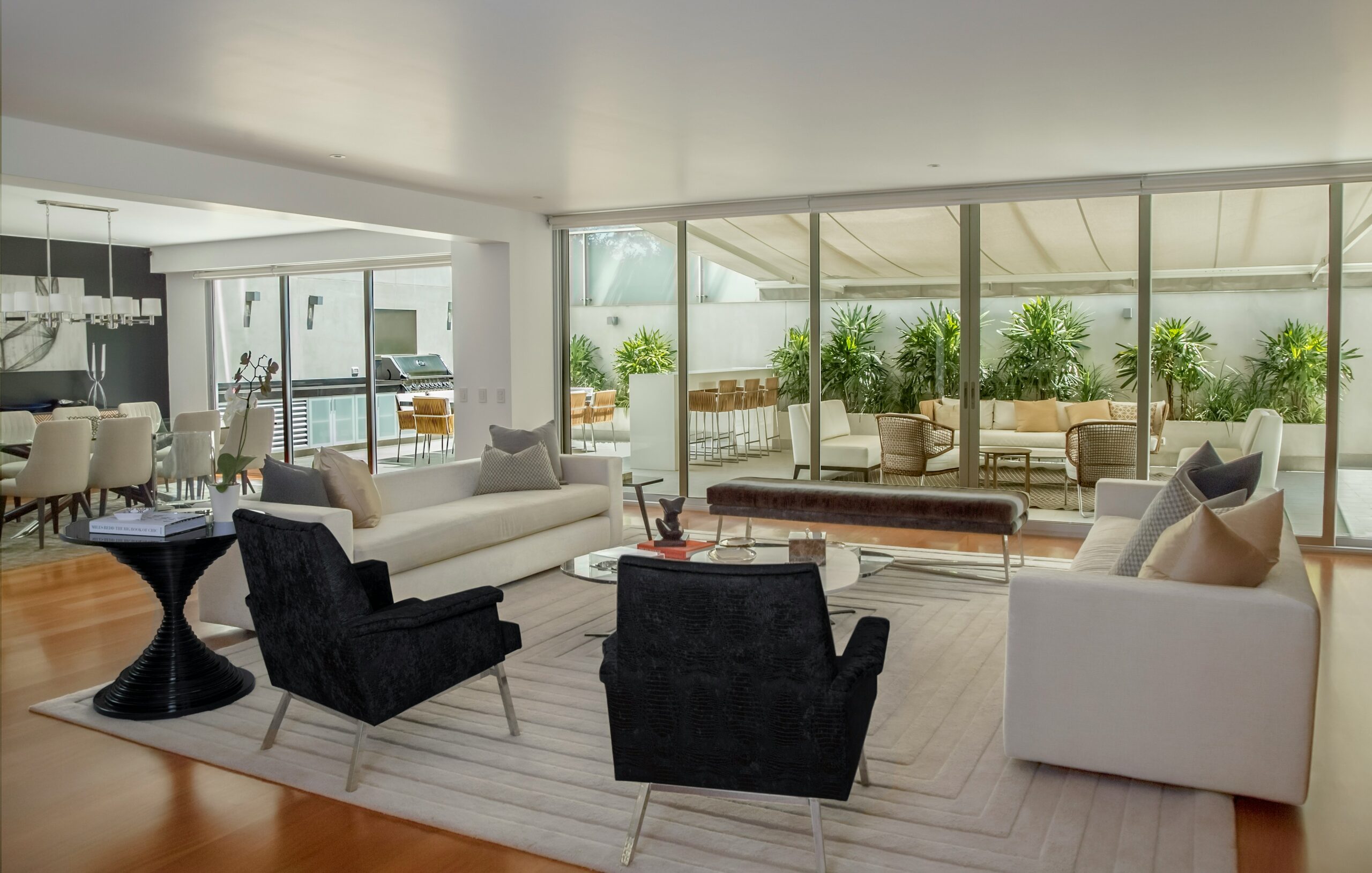
True open plan removes walls between traditionally separate spaces—typically kitchen, dining, and living areas. You get one large, multi-functional room instead of three or four smaller, dedicated spaces.
What It’s Not:
- A studio apartment (that’s just one room because you can’t afford more)
- A house with one wall removed but everything else closed off (that’s half-hearted, get committed)
- Minimalism (you can have open plan that’s cluttered or closed rooms that are minimal)
The concept originated in American mid-century architecture, got adopted enthusiastically by UK property developers in the 1990s, and spread across Europe with varying success depending on climate, culture, and building stock.
The Honest Pros
Light Distribution
This is the killer argument. Removing walls allows natural light from windows to penetrate deeper into your home. In a typical European terrace or apartment, only perimeter rooms get good daylight. Open plan shares that wealth.
Real Impact: A London Victorian terrace might have a dark central kitchen with one small window. Remove the wall to the rear reception room (with its large windows and garden access), and suddenly the kitchen gets actual daylight. This isn’t cosmetic; it’s quality-of-life transformation.
Social Cooking
Preparing dinner while isolated in a separate kitchen is genuinely lonely. Open plan lets you cook while remaining part of family life or entertaining guests. The chef isn’t excluded anymore.
The European Social Tradition: Mediterranean cultures have embraced this forever—kitchens as social centers. Northern Europeans took longer to accept it (more formal dining traditions), but even Germans and Scandinavians now recognize the appeal.
Space Flexibility
One large room adapts more easily than several fixed-function spaces. Working from home? Your dining table becomes a desk. Kids want to play? More floor space. Hosting twenty people? Everyone fits.
Perceived Space
Remove walls and your home immediately feels larger, even if actual square meters haven’t changed. Human psychology responds to unobstructed sightlines.
Better Flow
Modern life is less formal than previous generations. We don’t need separate rooms for separate activities—we move fluidly between cooking, working, relaxing, and socializing. Open plan accommodates this better.
The Honest Cons (That People Don’t Admit Until It’s Too Late)
Noise is Inescapable
This is the big one. Remove walls, remove sound barriers. Someone watching TV in the living area while another person cooks (extraction fans, clattering pots) while kids do homework? Everyone hears everything.
Real Example: A Brussels family who went open plan now reports that evening TV watching is impossible until after dinner cleanup because the noise is intolerable. One partner goes to the bedroom just to escape the acoustic chaos.
Smell Distribution
Cooking smells permeate everything. That fish you’re pan-frying? Your sofa now smells like fish too. Burned toast? The entire ground floor knows.
The Extraction Fan Reality: You need serious ventilation in open plan kitchens—not the €100 basic model, but €500-1,500 extraction systems with proper ducting. Even then, some odors spread.
Visual Clutter
There’s nowhere to hide mess. Breakfast dishes on the counter? Visible from the living area. Kids’ toys in the living space? Visible from the dining table. You’re essentially living in a display home where everything must be camera-ready.
Temperature Control
Heating one large space costs more than heating one small room. In drafty European homes (hello, UK), this becomes expensive. You can’t just heat the living room in the evening—you’re heating the entire ground floor.
Climate Considerations:
- Northern Europe: Higher heating costs, harder to create cozy zones in winter
- Southern Europe: Better—indoor-outdoor living works with open plan
- Continental Climate: Variable—summer cooling and winter heating both challenging
Loss of Privacy
Different people want to do different activities simultaneously. Someone watching a movie, someone reading, someone on a work call—in separate rooms, no problem. In open plan? Conflict.
The Work-From-Home Crisis: 2020-2025 exposed this brutally. Video calls in open plan homes with family present = stress. Many people now regret removing that spare bedroom wall.
Structural and Cost Realities
Removing load-bearing walls requires steel beams (RSJs in UK terminology), structural calculations, building permits, and serious money. Budget €3,000-8,000+ for professional work, not counting finishing costs.
Old Building Complications: Many European homes have walls that bear loads. Removing them isn’t impossible, but it’s expensive and sometimes genuinely not feasible without compromising the building’s integrity.
Who Should Go Open Plan (And Who Shouldn’t)
Open Plan Works Best For:
Empty Nesters or Couples Without Kids: Fewer people = less noise conflict. You can coordinate activities and maintain tidiness more easily.
Enthusiastic Cooks Who Entertain: If cooking and socializing are your primary home activities, the benefits outweigh the cons.
People in Small Homes: Sub-70m² apartments benefit enormously from open plan. Every meter counts, and walls steal space.
Light-Deprived Spaces: If you have one bright room and several dark ones, open plan redistributes that light.
Open Plan Is Questionable For:
Families With Young Children: Kids + homework + noise + mess + different schedules = stress. You need refuge spaces.
Multi-Generational Living: Different generations have different schedules and noise tolerances. Walls provide necessary boundaries.
People Who Work From Home Full-Time: You need a door. Period. Video calls in open plan spaces are professional nightmares.
Messy Cooks: If you’re someone who uses every pot, leaves dishes until later, and generally creates kitchen chaos—it’ll all be visible. Judge yourself honestly.
Different Sleep Schedules: One person staying up late watching TV while another tries to sleep upstairs? Sound travels. Walls help.
Designing Open Plan That Actually Works
If you’re committed to open plan (or already have it), these strategies make it livable:
Zoning Without Walls
Furniture as Dividers:
- Bookshelves perpendicular to walls creating visual separation
- Sofas positioned to define living area boundaries
- Islands or peninsulas separating kitchen from living space
- Different rugs defining zones (living, dining, kitchen)
Flooring Changes:
- Tile in kitchen area, wood in living/dining (practical and visual distinction)
- Level changes if architecturally possible (expensive but effective)
Lighting Strategies:
- Different lighting schemes for different zones (bright task lighting in kitchen, ambient in living area)
- Separate controls for each zone
- Creates psychological separation even without walls
Acoustic Solutions
Strategic Soft Furnishings:
- Heavy curtains absorb sound
- Upholstered furniture over hard surfaces
- Rugs everywhere you can manage
- Acoustic panels disguised as art
Quality Extraction:
- Invest in silent range hoods (Siemens, Bosch, Miele make good ones)
- Minimum 600m³/hour extraction rate for open plan
- Ducted systems better than recirculating
Tech Solutions:
- Sound masking (subtle white noise systems)
- Directional speakers for TV (Sonos Beam, Bose soundbars)
Flexibility Built In
Movable Partitions:
- Sliding screens (Japanese shoji-inspired)
- Curtains on tracks (surprisingly effective and cheap: €200-500)
- Folding partition walls (expensive: €2,000-5,000, but gives flexibility)
“Snug” Spaces: Even in open plan, try to maintain one small closed room for refuge—a study, reading room, or guest bedroom that provides escape.
The Semi-Open Compromise
This is increasingly popular in 2025:
- Remove kitchen/dining wall but keep living room separate
- Create wide opening (3m+) instead of fully removing wall
- Pocket doors that can close when needed but usually stay open
Benefits: You get light and social cooking while maintaining the option to separate spaces for noise control, temperature zones, or privacy.
Regional Approaches Across Europe
UK: Enthusiastically adopted open plan but now reconsidering. The climate makes heating costs significant, and British reserve occasionally craves separation.
Netherlands/Belgium: Practical approach—open plan for small urban apartments where it’s necessary, but maintaining walls in larger homes.
Germany: More resistant historically (tradition of formal dining), but younger generations embracing it. Typically keep higher-quality acoustic solutions.
France: Selective adoption—Parisians in small apartments see the necessity, but houses in provinces often maintain traditional layouts.
Scandinavia: Ironically, despite minimalist reputation, many maintain separate rooms. The long dark winters make cozy, separate spaces psychologically important.
Southern Europe: Climate supports open plan naturally with indoor-outdoor living. Less heating concern, more airflow benefit.
The Verdict: To Knock or Not to Knock?
Open plan isn’t inherently good or bad—it depends entirely on your specific situation, lifestyle, and space.
Green Light Scenarios:
- Small space needing light and perceived spaciousness
- Couples or individuals who entertain regularly
- Spaces with good natural light to distribute
- People who maintain tidiness naturally
- Modern lifestyles with informal living patterns
Red Light Scenarios:
- Large families with different schedules
- Anyone working from home full-time without separate office
- Different generations living together
- People who value quiet and privacy
- Very long, narrow rooms (open plan can feel like bowling alleys)
Amber Light (Proceed with Caution):
- Most situations fall here—it could work, but success depends on thoughtful design, adequate budget for proper solutions (ventilation, acoustics, lighting), and honest assessment of your lifestyle.
The Bottom Line
Open plan became popular for valid reasons—light, sociability, space perception, and modern lifestyle flexibility. But it’s not a universal solution, and the pandemic exposed its limitations for many families.
If you’re considering removing walls, don’t do it because it’s trendy or because estate agents claim it adds value (they say that about everything). Do it because your specific situation—your space, family, lifestyle, and preferences—genuinely benefits from it.
And if you’ve already gone open plan and it’s not working? There’s no shame in reinstalling walls. Trends change. Your life matters more than resale value or design magazine approval.
Sometimes the old ways—rooms with doors—were onto something.
Resources:
- Structural Engineers: Always consult before removing walls (StructuralEngineer.co.uk for UK, check local equivalents)
- Acoustic Solutions: Rockwool acoustic insulation, acoustic panels from sonicsolutions.com
- Flexible Partitions: dorma-hüppe.com, operable-walls.co.uk
Meta Description: Should you remove walls for open plan living? Honest pros, cons, and design strategies for European homes, including when to keep walls.