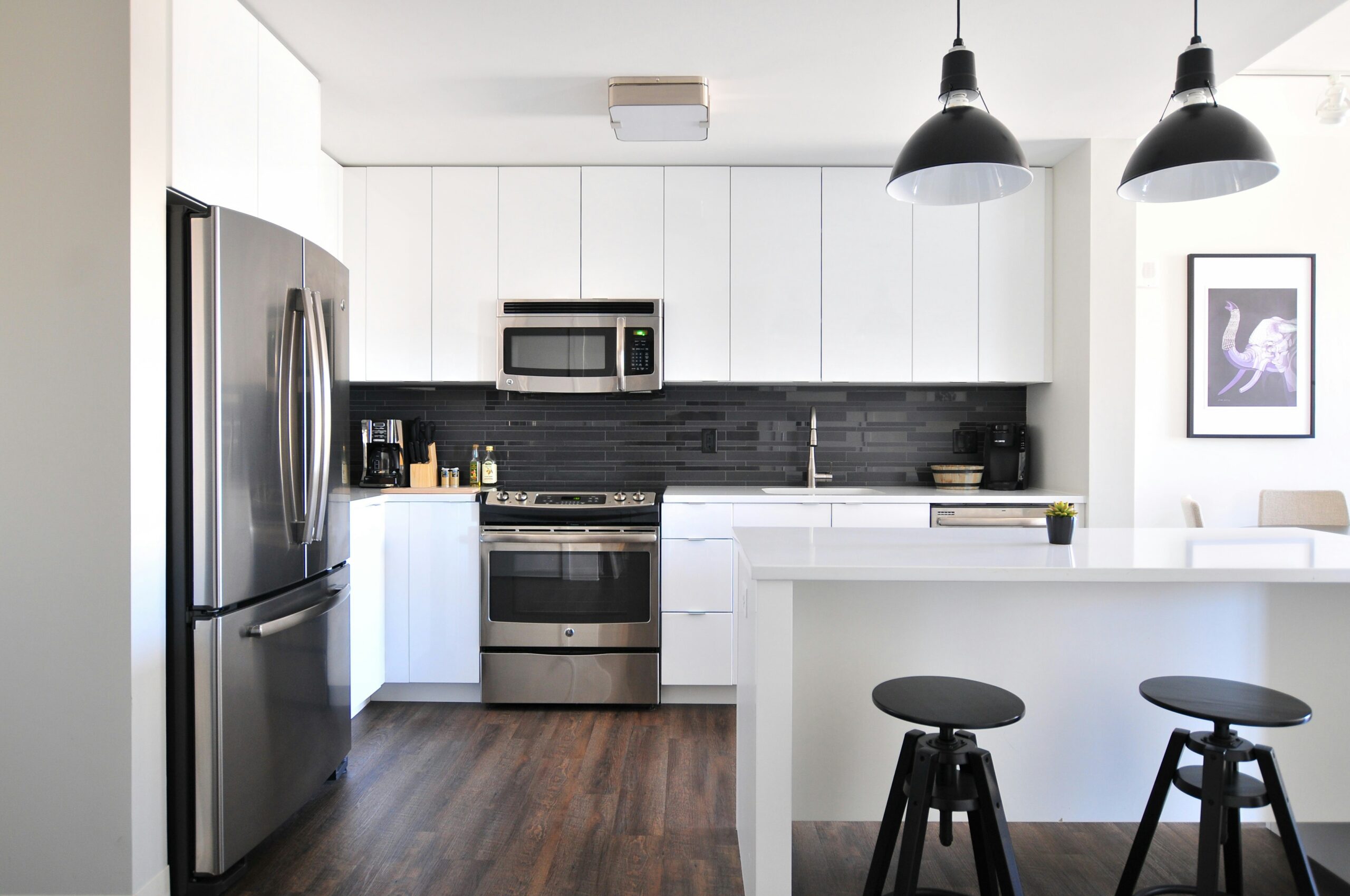
Welcome to Your Very Expensive Shoebox
Let’s address the elephant in the room—except there’s no room for an elephant because you’re living in 30 square meters and paying €1,200/month for the privilege. Welcome to urban European living in 2025, where “cozy” is real estate speak for “you can touch three walls simultaneously from your bed.”
But here’s the plot twist: some of the world’s most enviable living spaces are tiny. Japanese efficiency apartments, Parisian studios, Amsterdam houseboats—they’ve mastered the art of living well in minimal space. The secret isn’t accepting deprivation; it’s designing so cleverly that size becomes irrelevant.
Let’s transform that micro apartment from cramped compromise into functional sanctuary.
The Psychology of Small Space Living
First, lose the mindset that small equals bad. Your brain adapts to space through design cues, not actual square meters. A well-designed 30m² apartment feels more spacious than a poorly arranged 50m² one.
The key psychological principles:
- Vertical thinking: Your eyes naturally scan horizontally, so using vertical space creates the illusion of more room
- Visual continuity: Interrupting sightlines with clutter or furniture makes spaces feel smaller
- Light quality: Brightness expands perceived space more than actual dimensions
- Multi-functionality: Spaces that transform reduce the feeling of limitation
Now let’s implement these.
Layout: The Foundation of Everything
The Wet Core Strategy
European micro apartments typically position the bathroom (and often kitchen) as a central “wet core” with living space flowing around it. This isn’t random—it’s brilliant.
By centralizing plumbing, you minimize pipe runs (cheaper) and maximize usable perimeter space for windows and storage. Your bathroom doesn’t need windows if your €30 extractor fan works properly. Your living space absolutely does.
The Open Plan Question: Open plan works for micro apartments, but with nuance. You need visual separation between zones without physical walls stealing precious square meters.
Zoning Without Walls:
- Area rugs defining spaces (living vs. sleeping vs. dining)
- Different flooring materials (wood in living area, tile in kitchen zone)
- Partial-height shelving as room dividers (stores stuff, maintains sightlines)
- Strategic furniture placement creating psychological boundaries
- Varied lighting schemes for different zones
The Parisian Approach
Paris has centuries of micro-living expertise. Their trick? Embrace it completely rather than pretending you have more space.
Classic Parisian studios use:
- Murphy beds or high-quality sofa beds (invest here—you use it nightly)
- Minimal furniture, each piece earning its place
- Vertical storage to the ceiling
- Every surface doing double duty
- Unapologetically elegant small-space furniture rather than attempting full-size pieces
A 28m² Marais apartment recently profiled felt twice its size through ruthless editing: one perfect sofa-bed, one beautiful table with folding sides, floor-to-ceiling storage, and nothing else except art and plants. The emptiness itself became luxury.
Multi-Functional Furniture: Your Best Friend
This is where you either succeed or fail at micro-living.
What Actually Works:
Murphy Beds (Wall Beds):
- Quality mechanisms: €1,500-3,000
- Budget options: €800-1,500 (will need replacing sooner)
- Reclaims 6-8m² of floor space daily
- Modern designs incorporate shelving/desk that stays accessible when bed is down
- Worth it if your apartment is truly 30m² or less
Sofa Beds Done Right:
- DON’T: Buy cheap IKEA sofa beds with bar-in-back torture devices
- DO: Invest in quality mechanisms (€1,200-2,500)
- Look for European brands (Innovation Living Denmark, Bolia, Muuto)
- Test in-store—you’re sleeping on this nightly, not occasionally hosting guests
Extendable Tables:
- Butterfly-leaf designs: 4-seater extends to 6-8 seater
- Console tables transforming into dining tables
- Wall-mounted drop-leaf tables (perfect for true micro spaces)
- Cost: €300-1,200 depending on quality
Storage Ottomans and Benches:
- Every seating piece should contain storage
- €100-400 per piece
- Particularly useful in entry areas for shoes
What Sounds Good But Actually Sucks:
Loft Beds: Unless you’re under 30 and enjoy climbing ladders while hungover or sick, skip it. The ceiling height in most European apartments (2.4-2.7m) makes loft beds claustrophobic and limits the space underneath anyway.
Overly Clever Furniture: That coffee table that transforms into a dining table that transforms into a desk that houses your entertainment system? It’ll break. And when it does, you’ve lost four pieces of furniture. Simple, multi-functional beats elaborate transformation mechanisms.
Floor Cushions Instead of Sofas: Instagram loves these. Your back will hate them. And where do you store them when you need floor space? Be realistic about your lifestyle.
Storage Solutions That Actually Fit
The Vertical Imperative
In micro apartments, anything not reaching the ceiling is a missed opportunity.
Floor-to-Ceiling Storage:
- Custom built-ins: €2,000-5,000 (worth it for awkward spaces)
- IKEA PAX systems: €600-1,500 (surprisingly adaptable)
- Important: Paint them to match walls—visible storage systems shrink visual space
Above-Door Storage:
- Shelf above every door (easy DIY, €20-50 per door)
- Stores things you need infrequently
- Typically reclaims 1-2m² of storage nobody was using
Under-Bed Storage:
- Bed risers create 20-30cm clearance: €30-80
- Roll-out drawers: €100-250
- Vacuum bags for seasonal items: €30-60
- Can store entire seasonal wardrobe under your bed
Hidden Storage Psychology
Visible clutter makes small spaces feel smaller. But you need stuff—you’re not a monk.
The Solution: Everything needs a home, and 70% of homes should be hidden. Your daily items (laptop, current books, kettle) can stay visible. Everything else gets put away.
Practical Implementation:
- Closed cabinets for 70% of storage
- Open shelving for 30% of beautiful/frequently used items
- Develop a militant “one in, one out” policy
- Ruthlessly edit possessions every six months
Kitchen Efficiency in 3-4m²
Most micro apartments allocate just 3-4m² for the kitchen. Make it count.
Equipment Hierarchy:
Essential Appliances:
- Combination microwave/oven (saves space versus separate units)
- 2-burner induction cooktop (faster and safer than gas)
- Small dishwasher or quality dish rack (choose your lifestyle)
- Under-counter fridge (80-120L capacity)
Skip These:
- Full-size ovens (combination units are sufficient)
- Bulky coffee machines (pour-over or Aeropress work fine)
- Toasters (use oven/grill function)
- Specialized gadgets that do one thing
Storage Tricks:
- Magnetic knife strips (saves drawer space)
- Hanging rail for utensils (keeps counters clear)
- Stackable containers for dry goods (maximize cabinet efficiency)
- Vertical plate racks (not horizontal stacks)
- Pot lid organizer on inside cabinet door (game-changer)
The Amsterdam Micro Kitchen Approach: Dutch designers excel at tiny kitchens. Their secret? Accept you’re not hosting dinner parties for twelve. Design for 1-2 people cooking simple meals, with occasional entertaining using delivery and prepared items. This mindset eliminates unnecessary equipment and storage.
Bathroom: Wet Rooms Are Your Friend
Traditional European micro apartment bathrooms try to cram toilet, sink, and enclosed shower into 3m². Result: bruised elbows and claustrophobia.
The Wet Room Solution:
- Entire bathroom is the shower
- Eliminates shower enclosure (saves space and money)
- Requires proper waterproofing (€1,500-3,000 for professional installation)
- Large-format tiles reduce grout lines and feel more spacious
- Wall-mounted toilet and sink maximize floor space
Cost-Benefit: A wet room conversion costs €3,000-6,000 but can reclaim 1-2m² of bathroom space for other uses or just making the bathroom itself less aggressive. For micro apartments, this math works.
Light: The Ultimate Space Expander
Natural light is precious in micro apartments. Maximize every lumen.
Window Treatments:
- Sheer curtains or light-filtering blinds over blackout curtains
- Mount curtain rods at ceiling height, not window frame (creates vertical illusion)
- Keep windows unobstructed during daytime
- If privacy is needed, try bottom-up shades or frosted film on lower panes
Artificial Lighting Strategy:
- Layer lighting: ambient (ceiling), task (desk/kitchen), accent (highlighting architecture)
- Use dimmers everywhere (controls mood and perceived space)
- Wall sconces save surface space versus table lamps
- LED strips under upper cabinets in kitchen (functional and space-expanding)
- Avoid dark corners—every shadowy spot makes your apartment feel smaller
Mirror Placement:
- Opposite windows to reflect light (doubles perceived natural light)
- On narrow walls to create depth
- Large format better than small grouped mirrors
- Avoid mirror walls (1980s vibes and not actually that effective)
Color and Material Choices
The Airbnb Effect:
Notice how Airbnbs feel spacious? They use a limited color palette and keep things monochromatic.
For Micro Apartments:
- Walls, ceiling, and large furniture in the same color family
- Warm whites or light grays as base (true white feels sterile)
- Add personality through small items, art, textiles
- Wood tones add warmth without visual weight
Material Psychology:
- Reflective surfaces expand space (glass, polished metal, glossy tiles)
- Matte surfaces absorb light and feel heavier (use sparingly)
- Transparent furniture (acrylic chairs, glass tables) reduces visual clutter
- Natural materials prevent the space feeling sterile
The 30m² Budget Breakdown
Minimal Investment (€1,000-2,000):
- Quality sofa bed: €800-1,200
- Smart storage solutions: €200-400
- Lighting upgrades: €200-300
- Paint and decluttering: €100-200
Moderate Investment (€3,000-6,000):
- Above, plus:
- Murphy bed system: €1,500-3,000
- Built-in storage: €800-1,500
- Bathroom wet room conversion: €3,000-5,000 (huge impact)
Significant Investment (€8,000-15,000):
- Custom built-in furniture throughout
- Kitchen redesign with space-saving appliances
- Professional storage consultation and implementation
- Complete lighting system upgrade
Living Large in Small Spaces
The secret to micro apartment success isn’t about accepting less. It’s about being intentional with every square centimeter. European cities have premium real estate costs, but they also have centuries of design wisdom proving that quality of life isn’t measured in square meters.
Your 30m² apartment can be a thoughtfully designed home that serves your life beautifully—or it can be a storage unit where you sleep badly on a cheap sofa bed and eat takeaway because the kitchen doesn’t function. The difference isn’t money; it’s design thinking.
Start with these principles: everything must earn its place, vertical space is underutilized real estate, light matters more than you think, and quality over quantity applies to both possessions and furniture.
Welcome to micro-living, European edition. When done right, you won’t miss those extra square meters. You’ll be too busy actually enjoying your home.
Key Resources:
- Multi-functional Furniture EU: vitsoe.com, muuto.com, bolia.com
- Storage Systems: ikea.com/pax, tylko.com (custom)
- Micro Living Inspiration: apartmenttherapy.com/small-spaces
Meta Description: Expert strategies for maximizing 30m² micro apartments in European cities. Practical solutions for layout, storage, and multi-functional furniture that actually work.