Your Coffee Table is a Chaotic Mess (But It Doesn’t Have to Be)
Right now, your coffee table probably holds: three remote controls, old magazines you won’t read, a coffee mug from Tuesday, your keys, someone’s phone charger, and a random assortment of objects that migrate there like lost socks to dryers.
Meanwhile, design Instagram shows pristine coffee tables featuring artfully arranged books, sculptural objects, and flowers that somehow never wilt. You wonder: do these people not live in their homes?
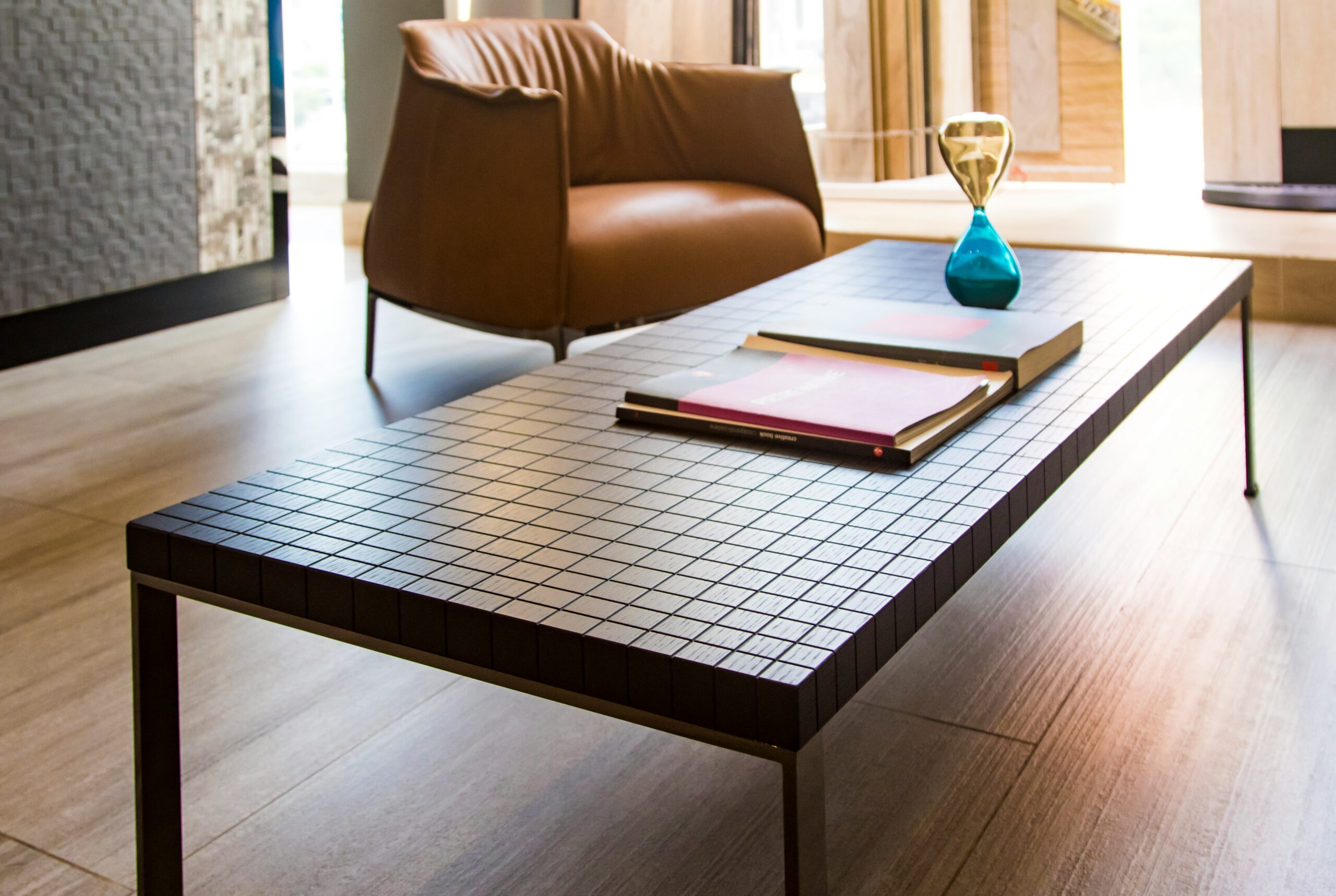
Here’s the truth: styled coffee tables aren’t about perfection—they’re about intentional arrangement that accommodates real life while looking curated rather than chaotic. You can have functional coffee table storage AND visual appeal. They’re not mutually exclusive.
Let’s transform your table from dumping ground to designed feature.
The Formula: Understanding Visual Balance
The Rule of Three
The Principle: Human eyes find odd numbers more appealing than even. Three groupings create natural visual interest.
The Application: Divide your coffee table (mentally) into three zones:
- Zone 1: Stacked books or tray with small objects
- Zone 2: Living element (plant, flowers) or sculptural object
- Zone 3: Functional items (coasters, small bowl) or nothing (negative space)
The Key: Zones don’t need equal size. Create intentional imbalance—larger grouping balanced by smaller elements.
The Parisian Three: French stylists religiously follow odd-number arrangements. Walk into any Parisian apartment: three books, five objects in group, single statement piece. Never even numbers.
Height Variation
The Problem: All objects same height = flat, boring, two-dimensional.
The Solution: Create levels using:
- Stacked books (instant height platform)
- Tall vases or sculptural objects (vertical interest)
- Low bowls or trays (ground level)
- Medium candles or plants (mid-height)
The Aim: Create visual “landscape” with peaks and valleys, not flat plain.
Scandinavian Simplicity: Nordic coffee tables feature minimal items at varied heights—one tall candlestick, one low bowl, one medium plant. Clean but interesting.
The Tray Strategy
The Purpose: Corrals small items, creates intentional grouping, defines space, adds layer.
The Size: Cover 1/3 to 1/2 of table surface maximum. Smaller is often better—leaves breathing room.
Material Choices:
- Wood (warm, natural, versatile)
- Marble/stone (luxe, heavy, formal)
- Metal (brass, copper, gold—elegant, light)
- Lacquer (glossy, modern, statement)
- Woven (casual, textural, bohemian)
What Goes in Tray:
- Candles (group of 2-3 different heights)
- Small decorative objects
- Coasters stacked
- Remote controls (if you must make them visible)
The Dutch Practicality: Netherlands coffee tables almost always feature trays—corralling remotes, coasters, tea lights. Function disguised as design.
The Elements: What Actually Works
Books (The Foundation)
The Stack: 2-4 large-format books (photography, art, design, travel)
Criteria:
- Beautiful spines/covers
- Substantial size (minimum 25×30cm)
- Subjects you actually care about (guests will judge)
- Mix horizontal stack with vertical display
The Arrangement:
- Stack largest to smallest
- Alternate spine directions for visual interest
- Place object on top of stack (decorative item, candle, small plant)
Budget Options: Second-hand bookshops, charity shops, HomeSense/TK Maxx—quality books for €5-15 each.
The British Book Culture: UK coffee tables feature more books than continental Europe—reflecting literary culture. Often genuine reading books, not just decorative.
Plants and Flowers
The Living Element: Adds life, color, organic form. Essential for warmth.
Options:
Fresh Flowers:
- Weekly commitment (€10-20)
- High impact
- Requires maintenance (water, dead-heading, replacing)
Small Potted Plants:
- Low maintenance options: succulents, small ferns, pothos
- Must fit scale (maximum 25cm height)
- Adds permanent life without weekly cost
Dried/Preserved:
- Pampas grass, dried eucalyptus, preserved moss
- No maintenance
- Can look dated if done poorly
The Vessel: Clear glass (shows stems), ceramic (hides mechanics), brass/copper (statement), concrete (industrial).
The Scandi Green: Swedish tables almost always include living plants—connection to nature is design principle, not afterthought.
Decorative Objects
The Art: Sculptural items adding personality and visual interest.
Options:
- Ceramic sculptures or vessels
- Wooden bowls or objects
- Brass/metal decorative items
- Natural objects (shells, stones, driftwood—if done tastefully)
- Gallery-quality objects versus tourist tat (there’s a difference)
The Rule: Objects should feel curated, not random. Each should justify its presence.
Where to Find:
- Museum shops (quality replicas, design objects)
- Vintage/antique shops (unique finds)
- Design stores (Muuto, HAY, &Tradition accessories)
- Travel (authentic pieces from places visited)
The Italian Aesthetic: Italian coffee tables feature fewer, higher-quality objects—Murano glass, marble sculptures, design classics. Quality over quantity always.
Candles
The Ambiance: Adds warmth, fragrance potential, creates atmosphere.
The Approach:
- Group 2-3 different heights
- Unscented for coffee tables (scented for side tables)
- Quality over quantity (one beautiful candle beats three cheap ones)
- Actually burn them (unburned candles look staged)
Materials:
- Natural wax (soy, beeswax)
- Simple containers (avoid decorative kitsch)
- Neutral colors (white, cream, grey)
Budget: €8-25 per candle for quality. IKEA offers surprisingly good basics (€3-6).
The Hygge Factor: Scandinavians burn candles religiously—not decorative, genuinely used. Coffee tables feature candlesticks and votives that actually get lit.
The Functional Elements
The Reality Check: You need some practical items accessible.
Solutions:
Coasters: Stack decoratively or place in small tray. Quality set (€20-40) looks intentional.
Remotes: Hide in decorative box or tray if possible. Or accept visible remotes as part of modern life (styled in tray).
Magazines/Newspapers: Current issue only. Rotate regularly. Vintage or design magazines work decoratively.
The German Functionality: Germans embrace functional objects on coffee tables—coasters always out, magazines current, remotes visible but organized. Honesty over pretense.
Style Variations by Aesthetic
Minimal Modern
Elements:
- 1-2 items maximum
- Sculptural object or single plant
- Generous negative space
- Monochromatic palette
Example: Single brass candlestick + low ceramic bowl. That’s it.
Vibe: Clean, breathing room, sophisticated, requires discipline.
Cozy Traditional
Elements:
- Stacked books (3-4)
- Flowers in traditional vase
- Decorative box or bowl
- Potentially small lamp
Example: Three antique books + roses in ceramic vase + brass box.
Vibe: Collected, warm, lived-in, European sensibility.
Bohemian Eclectic
Elements:
- Mix of textures and materials
- Plants (multiple)
- Woven elements
- Global finds
- Layered tray arrangements
Example: Woven tray with candles + succulent garden + travel finds + books.
Vibe: Collected, traveled, personal, layered.
Scandinavian Hygge
Elements:
- Natural materials (wood, ceramic, wool)
- Candles (multiple, grouped)
- Small plant
- One or two books
- Warm, neutral palette
Example: Wood tray with votives + small fern + linen coasters.
Vibe: Warm, natural, cozy, livable.
The Seasonal Approach
Spring/Summer
The Shift: Lighter, brighter, fresh.
Elements:
- Fresh flowers (tulips, peonies, seasonal)
- Lighter-colored objects
- Remove heavy textiles (replace dark trays with light)
- Emphasize green plants
Autumn/Winter
The Shift: Cozy, warm, layered.
Elements:
- More candles (warmth and light)
- Warmer metals (brass, copper versus silver)
- Richer colors in flowers (deep reds, oranges)
- Add textural elements (wood, natural materials)
The European Rhythm: Continental Europeans change décor seasonally more than UK/US. Coffee table styling shifts with seasons naturally.
The Maintenance Reality
The Truth: Even beautifully styled coffee tables need daily maintenance.
The System:
Daily: Return items to positions, remove clutter, quick wipe.
Weekly: Dust objects, replace flowers/check plant, assess arrangement.
Monthly: Rotate books, swap decorative objects, refresh candles.
The Commitment: If you can’t maintain it, simplify the arrangement. Better simple and maintained than complex and neglected.
The French Discipline: Parisian homes maintain styled tables through daily attention—ten seconds returning items to places. Not optional, part of living in space.
Common Mistakes (And Fixes)
Mistake 1: Too Much Stuff
The Problem: Every surface covered, no breathing room, visual chaos.
The Fix: Remove 50% of items. Seriously. Edit ruthlessly. Display best pieces, store the rest.
Mistake 2: Wrong Scale
The Problem: Tiny objects on huge table, or oversized items dominating small table.
The Fix: Objects should relate proportionally to table size. Large table needs substantial arrangements. Small table needs restrained styling.
Mistake 3: Everything Same Height
The Problem: Flat, boring, lacking dimension.
The Fix: Create height variation using stacks, tall vessels, varied objects.
Mistake 4: No Cohesion
The Problem: Random objects with no relationship—color, style, theme.
The Fix: Choose color palette (2-3 colors max) and consistent style. Edit out pieces that don’t fit.
Mistake 5: Prioritizing Style Over Function
The Problem: Table looks perfect but unusable. Can’t set down drink, no room for laptop.
The Fix: Leave 50% of surface clear for actual use. Style remaining 50%.
Budget Tiers
Starter Styling (€50-100):
- 2-3 second-hand books: €15-30
- Simple plant: €10-20
- Basic tray: €15-30
- Candles: €10-20
Mid-Range (€150-300):
- Quality books (new): €60-100
- Better plant + nice pot: €30-50
- Designer tray: €40-80
- Quality candles + one sculptural object: €40-70
Investment (€300-600):
- Collector’s edition books: €100-200
- Statement plant in designer pot: €80-150
- Luxury tray (marble, brass): €100-200
- Multiple quality objects: €100-150
The Bottom Line
Coffee table styling is about creating intentional arrangements that accommodate real life while looking curated. The formula—books, living elements, decorative objects, varied heights, negative space—works universally but adapts to personal style.
The difference between styled and cluttered is intentionality. Edited selection, purposeful arrangement, regular maintenance.
Your coffee table can be both beautiful and functional. The remotes can coexist with the art books. The design Instagram perfection isn’t achievable (or honest), but thoughtful arrangement absolutely is.
Start with basics: remove everything, clean thoroughly, add back only what earns its place. Three groupings, varied heights, 50% clear space.
Welcome to coffee table styling that actually acknowledges you live there.
Shopping Resources:
- Affordable Styling: ikea.com, hm.com/home, zara.com/home
- Quality Objects: hay.dk, muuto.com, & traditionliving.com
- Books: secondhand bookshops, abebooks.com