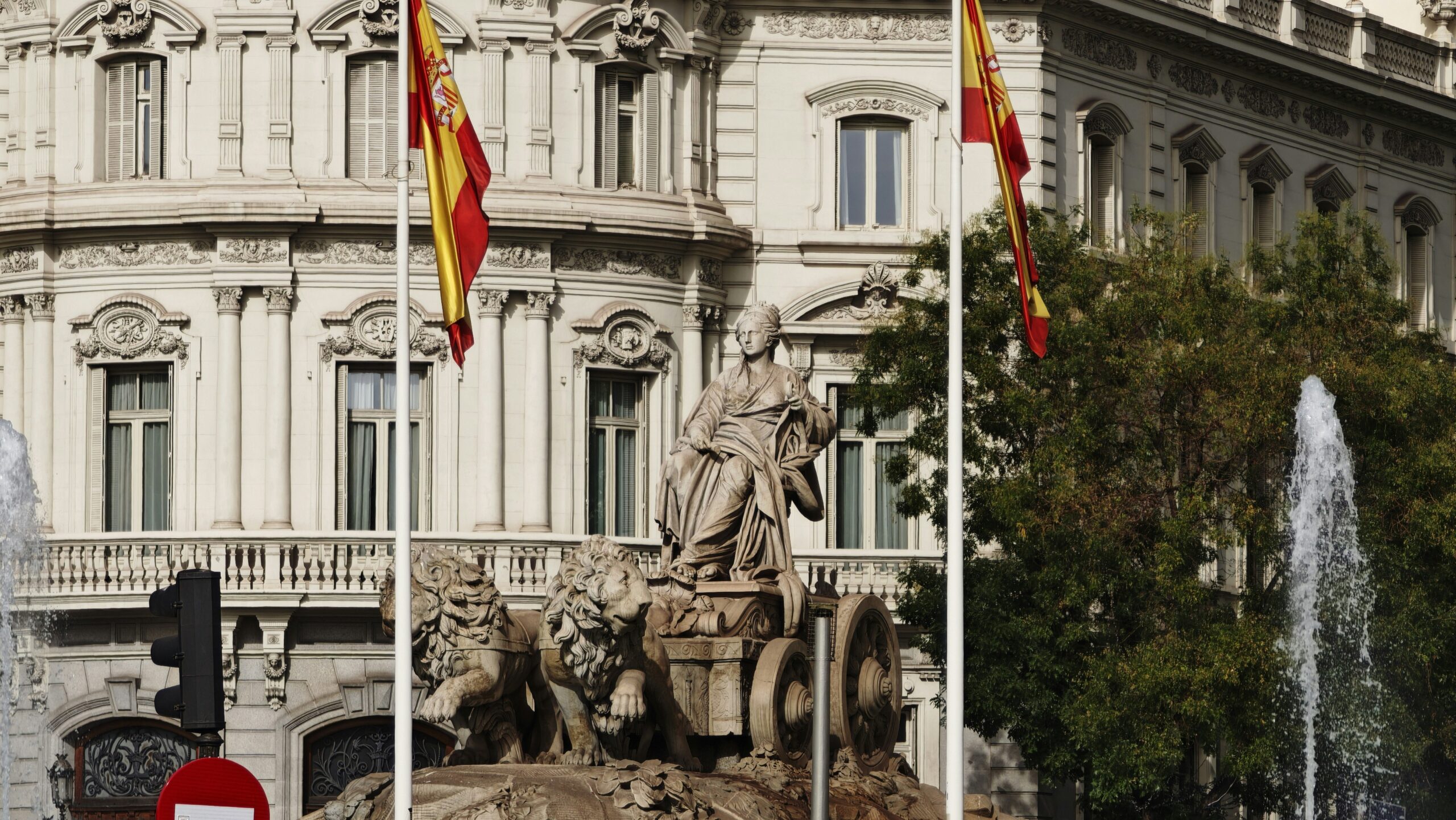
Every August, Madrid empties. Businesses close, apartments darken, and the city enters a kind of suspended animation as millions of Spaniards exercise their right to extended summer vacation. To northern European observers, this can seem economically irrational—who shuts down for weeks during peak tourist season?
But this very practice captures something essential about contemporary Spanish society: a fierce commitment to quality of life that persists despite economic pressures, cultural globalization, and the relentless logic of productivity maximization. Spain in 2025 is navigating a fascinating tension between maintaining traditional values and accommodating profound social transformation.
Understanding this dynamic is crucial for anyone seeking to comprehend not just Spain, but Europe’s future. Spain’s experience with rapid modernization, economic crisis, and social change offers lessons for societies across the continent facing similar pressures.
The Cultural Consumption Revolution
The Ministry of Culture’s 2024-2025 survey data revealed something remarkable: Spaniards are consuming more culture than ever recorded. Cinema attendance, museum visits, concert attendance, theater participation—all showing record highs. Reading remains strong, with 74% of households maintaining streaming subscriptions for films, series, and music.
This isn’t just tourism-driven. These are Spaniards engaging with their own cultural heritage and contemporary cultural production. Young people show particularly high participation rates across virtually all cultural categories—they visit more museums, attend more performances, use libraries more frequently, read more than older generations.
The Youth Cultural Voucher program, giving 18-year-olds €400 for cultural activities, has exceeded all expectations. Initial criticism dismissed it as vote-buying. But evidence suggests it’s genuinely opening cultural access for young people who might otherwise face financial barriers. They’re discovering passions—for theater, classical music, contemporary art—they’ll pursue throughout their lives.
This cultural engagement reflects something deeper about Spanish social values. Despite economic challenges—youth unemployment remains problematically high—cultural participation isn’t sacrificed. Spaniards maintain commitment to social connection, artistic experience, and leisure activities even when budgets tighten elsewhere.
The Persistence of Social Rituals
Spanish daily life retains rhythms that increasingly seem anachronistic in globalized capitalism’s relentless churn. The afternoon siesta, though declining in cities, persists in smaller towns and rural areas. Long lunch breaks remain standard. Dinner happens late—9 or 10 PM—followed by extended social time.
These aren’t quaint customs maintained for tourist benefit. They’re fundamental to Spanish social organization and quality of life. The evening paseo (stroll), friends gathering at plazas, multi-generational Sunday family lunches—these rituals create social cohesion and life satisfaction that can’t be easily quantified economically.
Vacation remains sacrosanct. Most Spaniards receive at least 30 days paid holiday annually, and they use them. August remains peak vacation season when entire extended families decamp to coastal towns or home villages. This causes obvious economic disruption but maintains social bonds and provides genuine rest.
Compared to American overwork culture or even northern European efficiency-focused approaches, Spanish social rhythms can seem inefficient. But they may be more sustainable. Burnout rates, stress-related illness, and social isolation—all plaguing more productivity-obsessed societies—remain lower in Spain. Perhaps there’s wisdom in maintaining these practices even as modernization pressures mount.
Generational Divides and Continuities
Spanish society spans dizzying generational differences. Older Spaniards lived under Franco’s dictatorship, experienced Spain’s democratic transition, and witnessed the country’s transformation from agricultural to service economy. Younger Spaniards have only known democratic Spain, EU membership, and the euro.
Yet certain values span generations. Family remains central to Spanish identity across ages. Multi-generational households, while declining, remain more common than in northern Europe. Adult children living with parents into their 30s isn’t considered failure—it’s practical, given housing costs and limited entry-level wages.
Cultural preferences show both generational continuity and change. Young Spaniards still attend bullfights, though in declining numbers, and opinions are increasingly divided. Flamenco maintains interest across generations, though young people engage with it differently—perhaps through fusion with hip-hop or electronic music rather than traditional forms.
Political attitudes reveal sharper generational divides. Older Spaniards remember dictatorship and value democratic stability above political experimentation. Younger Spaniards, taking democracy for granted, show more willingness to support protest movements and alternative political formations.
The economic crisis that began in 2008 created a “lost generation” of Spaniards whose career trajectories were permanently damaged. Youth unemployment peaked above 50%, forcing emigration or acceptance of precarious work. This generation’s life experiences differ fundamentally from their parents’—they’re more internationally mobile, less economically secure, and less confident about Spain’s future trajectory.
Women’s Changing Roles
Spain’s transformation regarding women’s rights and roles has been dramatic. The country that banned divorce until 1981 now has same-sex marriage, legal abortion, and progressive gender equality legislation. Women’s workforce participation has increased substantially, though still below northern European levels.
Yet traditional gender dynamics persist in complicated ways. Domestic labor remains disproportionately women’s responsibility even in dual-income households. Care work for children and elderly relatives falls primarily on women, reinforced by inadequate public childcare and elder care services.
The 2023 Women’s World Cup victory and subsequent “kiss controversy”—when Spanish Football Federation president Luis Rubiales forcibly kissed player Jenni Hermoso—sparked national reckoning about sexism in Spanish institutions. Rubiales was eventually convicted and fined €10,800 in February 2025, a modest punishment but symbolically significant acknowledgment that such behavior is unacceptable.
Women’s football success has driven broader conversations about women’s sports, media coverage equity, and resource allocation. Spain’s women’s national teams in various sports are achieving international success—the women’s futsal team won the inaugural World Cup in 2025, the women’s football team finished second at Euro 2025, and they won the UEFA Women’s Nations League in December 2025.
These victories provide visibility and role models, potentially accelerating cultural change around women’s participation in sports and public life more broadly.
Immigration and National Identity
Spain’s relationship with immigration has evolved dramatically. Once an emigration country—Spaniards leaving for opportunities in France, Germany, or Latin America—Spain became an immigration destination during the economic boom years. By 2025, about 13% of Spain’s population is foreign-born, though this varies dramatically by region.
Latin American immigration, particularly from Ecuador, Colombia, and Venezuela, receives generally positive reception due to shared language and cultural affinity. North African immigration, primarily Moroccan, faces more prejudice and social challenges. Sub-Saharan African immigration, often arriving via dangerous Mediterranean crossings, generates humanitarian concern and political controversy.
Romanian and other Eastern European communities, significant in certain regions, have integrated with less friction than in other European countries, perhaps because Spain itself was recently poor and understands economic migration.
Spanish national identity has always been complicated by regional identities—Catalan, Basque, Galician—that consider themselves distinct nations within Spain. Immigration adds another layer of complexity. What does it mean to be Spanish when Spain itself is a contested concept? Can someone become Catalan or Basque through immigration, or are these identities inherently ethnic?
These aren’t abstract questions. They shape education policy, language policy, cultural funding, and daily social interactions. Spain’s experience negotiating multilayered identities may offer lessons for increasingly diverse European societies struggling with similar questions.
Urban-Rural Divides
Spain’s rural depopulation represents one of its most significant social challenges. Thousands of villages across interior Spain are dying—populations aging, young people leaving, services closing, buildings crumbling. This “empty Spain” (España vaciada) movement has demanded political attention to rural decline.
The divides aren’t just demographic. Rural and urban Spaniards increasingly inhabit different political, economic, and cultural realities. Cities offer economic opportunities, cultural amenities, progressive social attitudes, and diversity. Rural areas face economic decline, limited services, conservative social values, and aging populations.
Political geography reflects these divides. Cities vote for progressive parties; rural areas support conservatives or regional nationalists. The mutual incomprehension between urban and rural Spain mirrors divides elsewhere in Europe and the United States.
Remote work, accelerated by the pandemic, offered potential remedy—if professionals could live anywhere, might some choose rural Spain? This has happened selectively, with some villages attracting “digital nomads” and remote workers. But scale remains limited. Most remote workers still prefer cities or picturesque towns with existing amenities.
The Spanish government’s efforts to address rural decline—improved internet infrastructure, tax incentives for rural businesses, funding for basic services—face uphill demographic and economic trends. Reversing centuries of urbanization requires more than policy adjustments.
Catholic Heritage in a Secular Society
Spain remains officially Catholic—the Church maintains privileged status, receives state funding, and influences education and culture. Yet Spanish society has secularized dramatically. Church attendance is low, particularly among young people. Fewer than 20% of Spaniards attend weekly mass.
This creates fascinating contradictions. Holy Week processions draw massive crowds in Seville and Málaga, but participants often view them as cultural events rather than religious observances. Catholicism shapes cultural calendar, artistic heritage, and community rituals without commanding personal faith.
The Church’s political influence has diminished but hasn’t disappeared. Debates over education, abortion, euthanasia, and LGBTQ+ rights still feature Church opposition, though with decreasing effectiveness. Younger Spaniards largely ignore Church positions on personal morality while still appreciating religious art, architecture, and festivals.
This negotiation between Catholic heritage and secular modernity isn’t unique to Spain, but Spain’s rapid transition—from Franco’s national-Catholic dictatorship to secular democracy in one generation—makes it particularly striking.
The Siesta Economy
Spanish work culture retains peculiarities that perplex outsiders. The siesta, that iconic Spanish institution, has declined but not disappeared. Most businesses no longer close for multi-hour afternoon breaks, particularly in major cities. But Spanish daily rhythms remain distinct.
Work often starts later (9 or 10 AM), breaks extend longer (particularly lunch), and continues later (until 8 or 9 PM). This creates inefficiencies but also maintains social connection—lunch with colleagues, family dinners, evening social time.
The “siesta economy” reflects broader cultural priorities: work to live rather than live to work. While northern European and American cultures increasingly define identity through professional achievement, Spanish culture maintains stronger separation between work identity and personal identity.
This has costs. Spanish productivity per hour worked lags other advanced economies. Business hours complicate international collaboration—when it’s 3 PM in Madrid, it’s prime work time in New York but evening in Tokyo. Yet Spanish quality of life indices remain high despite lower GDP per capita.
The question facing contemporary Spain: can these cultural practices survive global economic integration? Will younger Spaniards, competing in international labor markets, maintain traditional rhythms? Or will efficiency pressures gradually erode these distinctively Spanish practices?
Mental Health and Wellbeing
Spain’s traditional emphasis on social connection and family support has historically protected mental health. But younger Spaniards face unprecedented pressures: economic precarity, housing costs, climate anxiety, social media comparison, and global competition.
Mental health services, historically underfunded, are expanding but struggle to meet demand. Stigma around mental health challenges persists, though declining among younger people more comfortable seeking help.
The pandemic exacerbated mental health challenges while paradoxically reducing stigma—lockdown’s psychological toll affected everyone, normalizing discussions about anxiety, depression, and wellbeing.
Spain’s social safety net—universal healthcare, unemployment benefits, family support—provides cushion absent in more individualistic societies. Yet economic insecurity undermines wellbeing regardless of social support. Young Spaniards facing precarious employment, unaffordable housing, and diminished prospects compared to their parents’ generation experience wellbeing challenges no amount of family lunch can fully address.
Looking Forward: Spain’s Social Trajectory
Spain’s social evolution defies simple characterization. It’s simultaneously modernizing and maintaining tradition, embracing global culture while asserting local identity, adapting to economic realities while protecting quality of life.
Several tensions will shape Spain’s social future:
Economic necessity versus cultural values. Global competition pressures Spain toward longer work hours, reduced vacation, increased flexibility—all threatening traditional practices that provide social cohesion and life satisfaction.
Urban dynamism versus rural decline. Cities attract investment, talent, and attention while rural areas depopulate. Can Spain maintain balanced development, or will it become increasingly two-tier?
Tradition versus transformation. Young Spaniards are more globally connected, progressive, and secular than their parents. How much traditional Spanish culture survives generational transition?
Individual autonomy versus social obligation. Spanish culture has historically emphasized family and social obligation. Younger generations assert more individual autonomy. This renegotiation affects everything from living arrangements to career choices.
National unity versus regional identity. Catalonia, the Basque Country, and other regions assert distinct identities. Can Spain maintain cohesion while accommodating diversity?
These tensions aren’t unique to Spain, but Spain’s recent history—dictatorship to democracy, poverty to prosperity, isolation to integration—makes them particularly acute.
Spain’s approach to these challenges matters beyond Spanish borders. If Spain can maintain quality of life while remaining economically competitive, protect tradition while embracing necessary change, and assert cultural identity while accepting diversity, it offers a model for European societies facing similar pressures.
The August closing of Madrid might seem economically irrational. But perhaps it represents something more important: society’s collective decision that some values matter more than productivity, that life quality isn’t reducible to GDP growth, and that maintaining humanity’s deeper needs—for rest, connection, pleasure—justifies economic inefficiency.
That’s not backwardness. It might be wisdom.