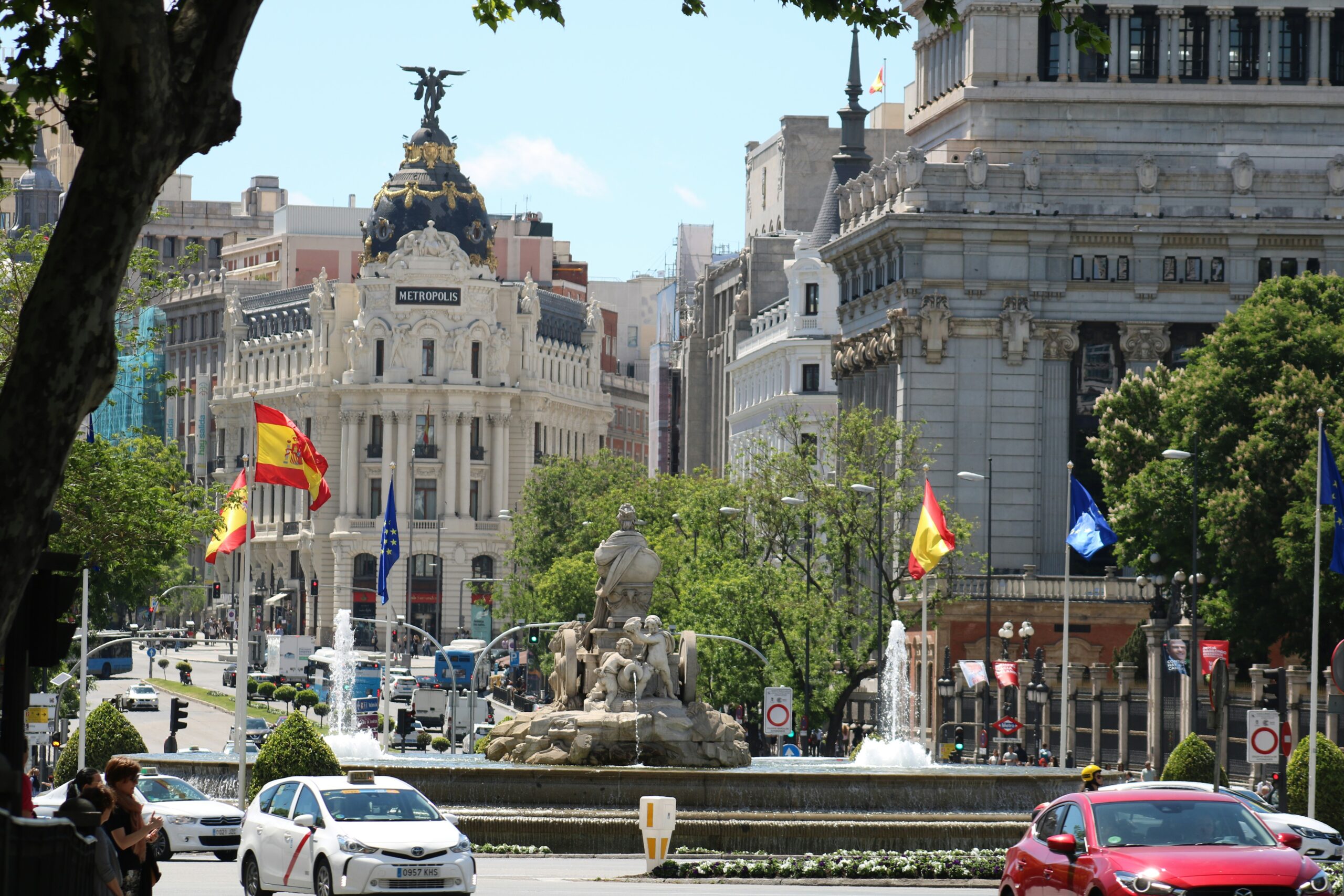
The champagne corks are popping in Madrid’s Ministry of Tourism, but in Barcelona’s narrow Gothic Quarter alleys, a different conversation is unfolding. As Spain closes out 2025 on track to welcome nearly 100 million international visitors—a figure that would have seemed fantastical just a decade ago—the country finds itself at a crossroads that will define its identity for generations to come.
This isn’t merely about impressive statistics, though the numbers tell a compelling story. By August 2025, Spain had already received 66.8 million visitors, a 3.9% increase over the previous year. More significantly, tourist spending surged by 7.1%, reaching over €92 billion in the same period. Tourism now accounts for over 13% of Spain’s GDP, making it an economic engine that few sectors can rival. The UK remains Spain’s most devoted admirer, sending over 13 million travelers annually, with Germany and France following closely behind.
Yet beneath these success metrics lies a profound tension that’s reshaping Spanish society and forcing a national conversation about what kind of country Spain wants to be.
The Paradox of Popularity
Walk through Barcelona’s Ramblas on a summer afternoon, and you’ll witness tourism’s double-edged sword in real time. The iconic boulevard thrums with life—street performers, gelato vendors, tourists snapping photographs of La Boqueria market. But speak to local residents, and you’ll hear frustration that’s moved from graffiti on walls to policy in parliament.
“Tourist go home” is no longer just an anarchist slogan spray-painted on shutters. It’s become mainstream political discourse, particularly in the Balearic Islands and Catalonia’s coastal towns. The sentiment isn’t born of xenophobia but exhaustion. When housing becomes unaffordable because landlords can earn triple the income from short-term rentals, when neighborhoods lose their character as local shops are replaced by souvenir stands, when the noise and crowds make daily life unbearable for residents—that’s when resentment takes root.
The figures bear this out. In Barcelona, nearly 10,000 apartments have been converted to tourist rentals over the past three years alone. Rental prices have increased by 34% since 2020, far outpacing wage growth. Similar patterns play out in Palma, Seville, and Madrid’s historic center.
A Strategic Pivot: Quality Over Quantity
Spain’s government hasn’t been deaf to these concerns. The Sustainable Tourism Strategy 2030, once merely an aspirational document, is now being aggressively implemented. The changes are tangible and, for some stakeholders, uncomfortable.
Stricter regulations on short-term rentals have come into force across major cities. Barcelona has announced plans to phase out tourist apartments entirely in certain saturated districts by 2028. Higher tourist taxes—now ranging from €2 to €7 per night depending on location and accommodation type—are being channeled into infrastructure improvements and affordable housing initiatives.
The message from Madrid is clear: Spain wants better tourists, not just more tourists. This means attracting visitors who stay longer, spend more thoughtfully, and venture beyond the overcrowded coastal resorts and capital cities.
Decentralizing the Dream
This strategy of geographic dispersal represents perhaps the most ambitious aspect of Spain’s tourism evolution. The government is actively luring visitors away from Barcelona’s Gaudí landmarks and Madrid’s Golden Triangle of museums toward Spain’s lesser-known treasures.
Galicia, with its rugged Atlantic coastline and Celtic heritage, is being marketed as the “new Ireland.” La Rioja’s wine regions are positioning themselves as accessible alternatives to France’s Burgundy. The interior provinces—from Extremadura’s medieval towns to Castilla y León’s stunning cathedrals—are finally getting their moment in the promotional spotlight.
The strategy extends to temporal dispersal as well. Spain is encouraging travel during the “shoulder seasons” of spring and autumn, when the weather remains pleasant but the crowds thin out. Airlines and hotels are offering incentives for off-peak travel, while cultural events and festivals are being strategically scheduled to extend throughout the calendar year.
Early results suggest this approach is gaining traction. Visitor numbers to Galicia increased by 23% in 2025, while Extremadura saw a 31% rise in international tourists—small absolute numbers, certainly, but promising directional indicators.
The Competition Heats Up
Spain’s throne as Europe’s premier tourism destination isn’t sitting quite as securely as it once did. Greece and Turkey are mounting serious challenges, and they’re learning from Spain’s mistakes.
Greece has positioned itself as a more authentic, less commercialized alternative, particularly appealing to travelers seeking cultural depth over package-tour convenience. Their strategic advantage lies in the sheer number of islands—over 200 inhabited ones—allowing for natural dispersal of tourist crowds.
Turkey, meanwhile, offers similar Mediterranean appeal at significantly lower prices. With visa policies becoming more liberal and infrastructure dramatically improved, Turkish destinations like Bodrum and Antalya are siphoning visitors who might previously have defaulted to Spain’s Costa del Sol.
Even within the Iberian Peninsula, Portugal has emerged as formidable competition. Lisbon and Porto offer comparable charm to Barcelona and Madrid but with less overtourism stress—for now.
This intensifying competition is actually beneficial for Spain’s evolution. It creates urgency around differentiation and service quality that might otherwise be absent.
The Economic Reality
The transition from quantity to quality tourism isn’t purely ideological—it’s economic necessity. Spain’s tourism sector, while robust in absolute terms, has been operating with razor-thin margins in many segments. Budget airlines, discount accommodation, and all-inclusive packages generate impressive visitor numbers but relatively modest revenues per tourist.
The new model focuses on higher-spending visitors: Americans and Asians staying longer, choosing boutique hotels over Airbnbs, booking culinary experiences and guided cultural tours rather than simply sunbathing. These travelers typically spend three to five times more than budget European weekenders.
There’s also the infrastructure cost to consider. Roads, public transport, water systems, waste management—all struggle under the weight of 100 million annual visitors in a country of 48 million residents. Upgrading these systems to handle such volume requires revenue that budget tourism simply doesn’t generate.
Cultural Preservation in the Instagram Age
Perhaps the most insidious challenge Spain faces is cultural authenticity in an era of performative travel. Flamenco shows designed for tour groups bear little resemblance to the passionate, spontaneous performances in Seville’s Triana neighborhood. Paella has been dumbed down to meet tourist expectations rather than maintaining regional variations and traditional preparation methods.
This cultural dilution isn’t unique to Spain, but given the country’s outsized dependence on tourism, it poses existential questions. Can Seville remain Seville if it exists primarily as a stage set for visitors? Can Barcelona maintain its Catalan character when half its downtown speaks exclusively in tourist English?
The Sustainable Tourism Strategy 2030 includes provisions for cultural preservation, but implementation remains challenging. How do you legislate authenticity? How do you protect intangible heritage like local customs, neighborhood character, or the rhythm of daily life?
A Model for Europe?
Spain’s struggle with overtourism isn’t occurring in isolation. Venice, Amsterdam, Dubrovnik, and Prague all grapple with similar challenges. What makes Spain’s case particularly instructive is its scale and the comprehensiveness of its policy response.
Other European destinations are watching closely. If Spain can successfully pivot from volume to value tourism while maintaining economic vitality, it will provide a playbook for managing one of the 21st century’s defining challenges: how to share exceptional places without destroying what makes them exceptional.
The Spanish experiment matters beyond tourism economics. It’s fundamentally about whether communities can retain agency over their own development in a globalized economy. It’s about whether growth has limits and what happens when we acknowledge them.
Looking Forward
As 2026 approaches, Spain stands at a fascinating inflection point. The 100 million milestone will likely be reached, but the celebration will be muted, complicated. Success is being redefined—not by visitor numbers but by resident satisfaction, environmental sustainability, cultural preservation, and economic equity.
This more nuanced understanding of tourism’s role represents maturity born of hard experience. Spain has felt the consequences of unchecked growth and is charting a different path. Whether this path proves sustainable—economically, environmentally, and socially—will become clear over the next five years.
For European travelers, this evolution presents both challenges and opportunities. Spain is becoming more expensive, more regulated, and in some areas, more difficult to visit casually. But it’s also becoming more authentic, more environmentally conscious, and ultimately more rewarding for visitors willing to engage thoughtfully with the country and its culture.
The question isn’t whether you should visit Spain—you absolutely should. The question is how you visit, where you go, and what kind of traveler you choose to be. Spain is asking its visitors to be partners in its sustainability rather than passive consumers of its resources. That’s a reasonable request from a country that has given so much pleasure to so many for so long.
The champagne corks in Madrid will keep popping, but increasingly, they’ll be accompanied by questions: At what cost? For whose benefit? And most importantly—can this last?