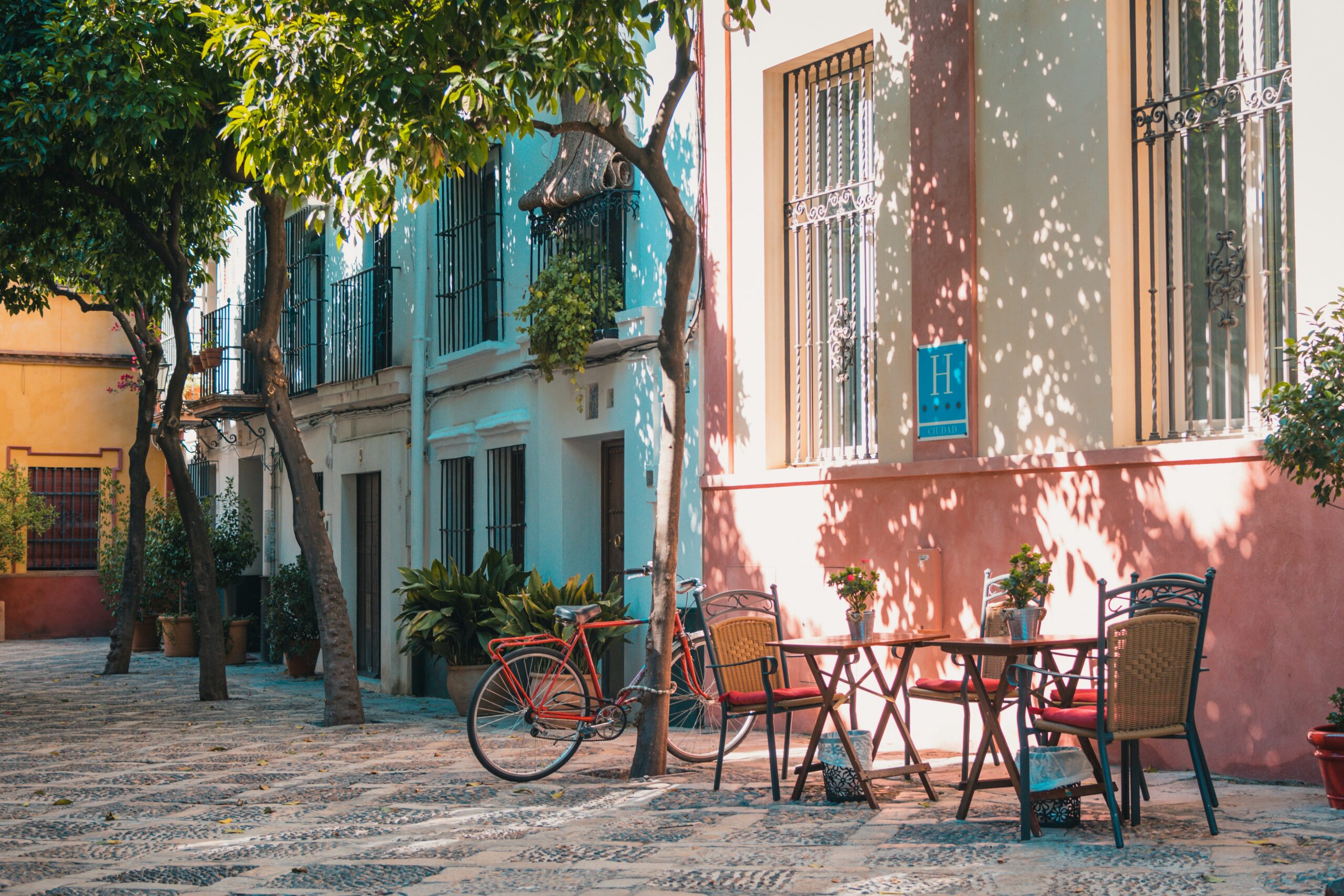
Scattered across the rugged hills of southern Spain, Andalusia’s pueblos blancos—white villages—stand as luminous jewels against landscapes of olive groves and limestone cliffs. These enchanting settlements, with their chalk-white facades and terracotta roofs, offer travelers a glimpse into a Spain that exists outside of time, where narrow cobblestone streets wind past flower-filled balconies and the pace of life follows the rhythm of centuries past.
The Allure of Whitewashed Walls
The tradition of whitewashing homes in Andalusia has practical roots. The lime-based paint reflects the intense summer sun, keeping interiors cool during scorching months when temperatures can exceed 40°C. But what began as necessity has become an art form, with each village maintaining its pristine appearance through communal pride and local ordinances that preserve architectural harmony.
Must-Visit Pueblos Blancos
Ronda stands as the most dramatic of the white villages, perched atop a gorge that plunges 120 meters into the Guadalevín River. The Puente Nuevo, an 18th-century bridge spanning this chasm, has become one of Spain’s most photographed monuments. Beyond this iconic structure, Ronda offers Spain’s oldest bullring, atmospheric tapas bars, and hiking trails that wind through the surrounding Sierra de las Nieves.
Arcos de la Frontera commands a ridge above the Guadalete River, its medieval quarter a labyrinth of steep streets leading to panoramic viewpoints. The town’s name—”of the Frontier”—recalls its position on the border between Christian and Moorish territories during the Reconquista. Today, visitors come for the stunning vistas, the Gothic-Mudéjar Church of Santa María, and the authentic local life that continues in its squares and markets.
Grazalema nestles in the heart of the Sierra de Grazalema Natural Park, known as one of the wettest spots in Spain. This microclimate sustains unique ecosystems, including endangered Spanish fir forests. The village itself charms with its artisan leather workshops, where craftspeople create handmade goods using traditional techniques passed down through generations.
Zahara de la Sierra appears almost mirage-like, its white houses clustered around a hilltop castle overlooking a turquoise reservoir. This tiny pueblo, with a population of barely 1,500, offers intimate glimpses of rural Andalusian life. The climb to the Moorish castle rewards with sweeping views across the province.
The Ruta de los Pueblos Blancos
The White Villages Route connects approximately 19 villages across Cádiz and Málaga provinces, creating one of Andalusia’s most scenic driving circuits. The journey typically takes 3-5 days, though you could easily spend weeks exploring hidden corners and hiking between villages on ancient pathways.
Starting from Jerez de la Frontera or Málaga, the route winds through dramatic limestone landscapes, passing cork oak forests and olive groves. Each village offers distinct character—from the cave houses of Setenil de las Bodegas, built directly into rock overhangs, to the leather-working traditions of Ubrique.
Culinary Traditions
The pueblos blancos maintain distinctive culinary traditions rooted in mountain agriculture and hunting. Local specialties include gazpacho caliente (hot gazpacho, unlike its famous cold cousin), game stews featuring wild boar or venison, and locally produced cheeses. The region’s olive oils are among Spain’s finest, and many villages offer tastings at family-run mills.
Payoyo cheese from Villaluenga del Rosario has achieved international recognition, with its complex flavors derived from goats grazing on mountain herbs. Pair it with local wines from the nearby Jerez region or craft beers now emerging from microbreweries in Grazalema.
Planning Your Visit
Best Time to Visit: Spring (April-May) brings wildflowers and comfortable temperatures, while autumn (September-October) offers harvest season and fewer crowds. Summer can be intensely hot, though village festivals bring evening energy. Winter sees rain but also solitude and dramatic cloudy skies.
Getting Around: A car is essential for exploring multiple villages, as public transportation is limited. Roads can be narrow and winding—drive carefully and allow extra time. Alternatively, guided tours from Seville or Málaga provide access without navigation stress.
Where to Stay: Small boutique hotels and rural guesthouses (casas rurales) offer authentic experiences. Many occupy restored historic buildings with mountain views. Book ahead during peak season and local festivals.
Beyond the Villages
The surrounding natural parks offer exceptional hiking, rock climbing, and wildlife watching. The Garganta Verde gorge provides challenging trails with opportunities to spot griffon vultures and Spanish ibex. Guided canyoning and via ferrata experiences cater to adventure seekers.
The white villages represent more than picturesque photo opportunities—they embody a way of life that has adapted to harsh terrain while maintaining cultural continuity. Walking their streets, you’ll encounter residents who’ve never lived anywhere else alongside artists drawn by the quality of light and silence. This combination creates communities that honor tradition while welcoming curious travelers.