The Cortijo Opportunity
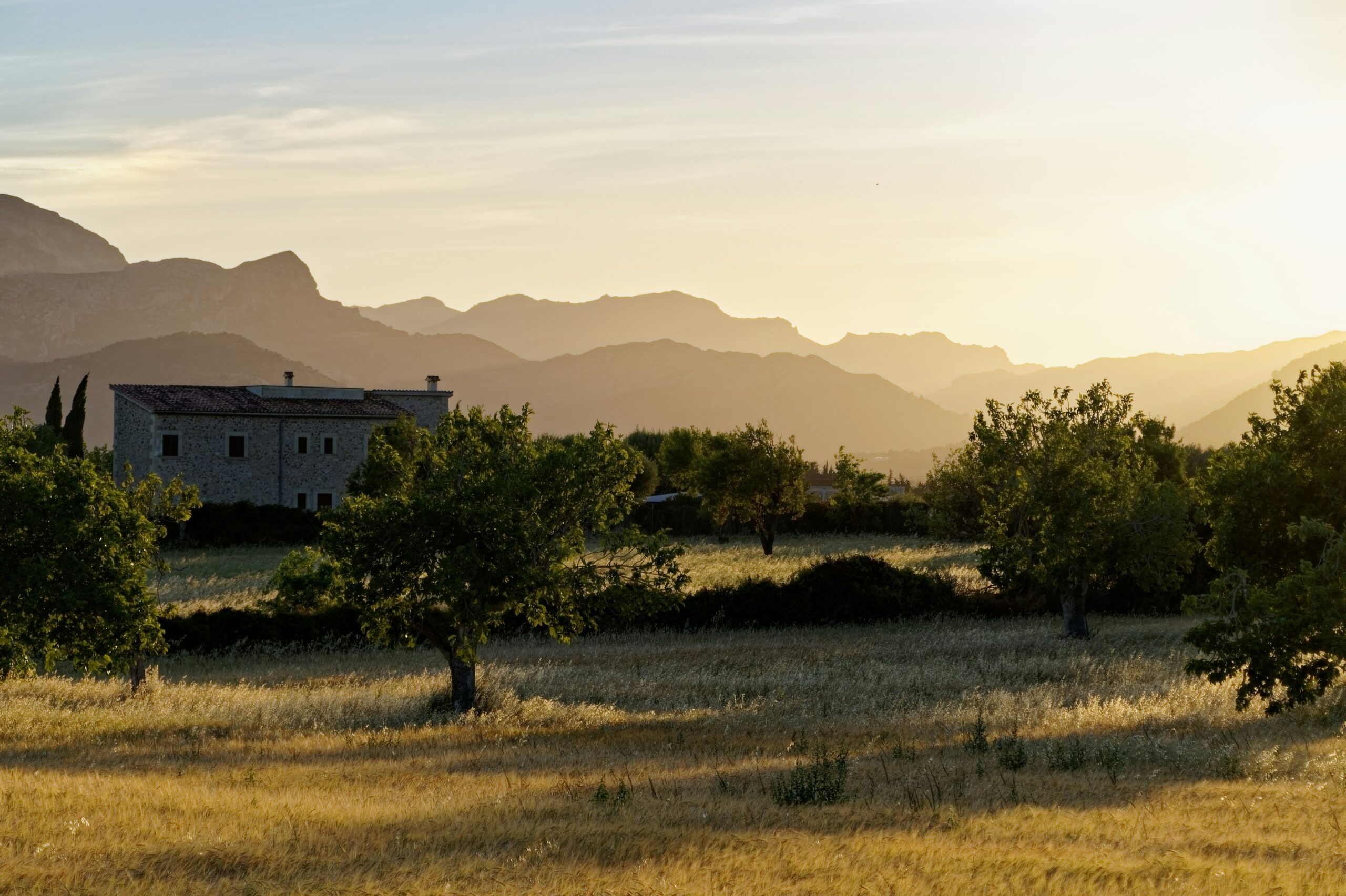
Scattered across Andalusia’s countryside sit hundreds of abandoned or underutilized cortijos—traditional Spanish farmhouses built centuries ago when agriculture dominated the regional economy. These thick-walled structures, often constructed from stone and adobe, represent a unique investment opportunity: transforming historic rural properties into exclusive luxury retreats.
The appeal is compelling. A €200,000-€400,000 derelict cortijo with 5,000-10,000m² of land can become a €1.2-€1.8 million luxury property after €400,000-€600,000 in strategic restoration. The combination of authentic historic architecture, substantial land, rural tranquility, and modern luxury amenities creates a product that commands significant premiums in the luxury market.
But cortijo restoration isn’t for the faint of heart. It requires navigating heritage regulations, managing complex structural challenges, respecting architectural authenticity while implementing modern systems, and accepting rural property constraints that don’t exist in urban developments.
Identifying Restoration-Worthy Cortijos
Not every rural ruin represents opportunity. Successful cortijo projects share specific characteristics.
Structural Integrity Foundation
Walls must be fundamentally sound. Original stone or thick adobe walls in reasonable condition are essential—rebuilding from foundations destroys economics and authenticity.
Assess: Can you see through walls? Significant foundation settling? Walls leaning or separated from structure? These indicate problems that may be economically unfeasible to address.
Repairable issues: Missing roof (expected), deteriorated wooden elements, surface damage to walls, missing doors and windows. These are cosmetic relative to structural fundamentals.
Land Value Component
Cortijos typically include substantial land—2,000m² minimum, often 5,000-20,000m². This land contributes significantly to value. Properties with:
- Mature olive groves or almond trees (productive and aesthetic)
- Water rights (well, spring, acequia access)
- Valley or mountain views
- Building potential (additional structures possible under rural regulations)
Transform land into asset through landscaping, organic agriculture, or additional construction (guest houses, pool houses).
Access and Services
Legal road access is mandatory. Many rural properties lack proper access easements—verify through Land Registry before purchase.
Electricity availability: Properties within 1km of electrical lines can connect for €5,000-€15,000. Beyond 1km, costs escalate dramatically or solar becomes necessary (€30,000-€50,000 for full system).
Water: Municipal connection rare in rural areas. Well drilling (€6,000-€15,000) or rainwater harvesting with cistern (€15,000-€30,000 for serious capacity) required.
Sewage: Septic systems mandatory (€8,000-€15,000). Municipal sewage nonexistent in rural settings.
Heritage Status Verification
Check if property has protected status (Bien de Interés Cultural or catalogued building). Protection brings:
Advantages: Prestige, certain tax benefits, architectural uniqueness protected.
Disadvantages: Renovation restrictions, required approvals from heritage authorities, must maintain original facades and certain structural elements, longer permitting processes.
Most cortijos aren’t formally protected but municipality may impose restrictions in rural zones. Verify regulations with architect before purchase.
The Cost Reality of Restoration
Baseline Budget Per m²:
- Basic restoration: €1,200-€1,600/m²
- Mid-range: €1,600-€2,200/m²
- Luxury: €2,200-€3,000/m²
Compare to new construction at €1,500-€2,000/m²—restoration costs 20-40% more due to complexity and preservation requirements.
Major Cost Categories (300m² cortijo):
- Structural work: €80,000-€150,000 (foundation, walls, stabilization—the wild card)
- New roof: €40,000-€80,000 (traditional tile over modern waterproofing)
- Modern systems: €50,000-€100,000 (electrical, plumbing, HVAC, solar)
- Kitchen/bathrooms: €60,000-€120,000
- Doors/windows: €30,000-€60,000 (custom traditional style)
- Flooring: €20,000-€40,000
- Exterior restoration: €40,000-€80,000
- Pool/landscaping: €60,000-€120,000
Total typical project: €400,000-€600,000. Add 25-30% contingency—surprises are guaranteed.
Heritage Regulations
Permitted: Interior layouts (non-load-bearing), modern systems, interior finishes, pool/landscaping (subject to setbacks).
Restricted: Exterior facades (must maintain traditional character), roof pitch/materials, window/door proportions, building footprint, exterior colors.
Approval timeline: 6-12 months for permitting from municipality, heritage commission (if protected), environmental agency, water authority.
Heritage-specialist architects essential—fees 12-15% vs. standard 8-10%.
Balancing Authenticity and Modern Luxury
The art of cortijo restoration is invisible modernization—twenty-first-century comfort within eighteenth-century aesthetics.
Successful Integration Strategies
Exposed stone walls with modern insulation: Keep original interior stone exposed, add insulation behind new interior walls in secondary spaces, use traditional lime renders that breathe.
Traditional tile floors with underfloor heating: Reclaimed antique tiles or quality reproductions over modern heating systems.
Wooden beam ceilings with hidden lighting: Preserve exposed beams, integrate LED lighting subtly, maintain traditional ceiling heights and proportions.
Modern kitchens in traditional spaces: Contemporary functionality in furniture-style cabinetry respecting traditional proportions. Appliances hidden behind traditional panels.
Luxury bathrooms with traditional materials: Modern fixtures and systems with traditional tile, stone, and spatial proportions.
Smart home systems invisibly integrated: Modern technology (climate control, security, entertainment) with traditional switches, hidden equipment, no visible technology disrupting aesthetics.
What Destroys Authenticity
Oversized modern windows breaking facade rhythm. Contemporary exterior materials (aluminum, modern render). Visible modern additions clashing with original structure. Over-modernized interiors losing all historic character. Fake historical details (plastic beams, false stone).
The goal: Guests enjoy modern luxury without conscious awareness of infrastructure enabling it.
The Rural Lifestyle Reality
Isolation: 5-15 minutes from villages, 20-40 minutes from cities. Unpaved roads common. Car dependency absolute. Emergency services response times significantly longer.
Infrastructure: Fiber optic rare—satellite or 4G/5G required. No municipal water/sewage. No street lighting or sidewalks.
Maintenance: Large properties require constant attention. Budget €15,000-€25,000 annually. Either full-time caretaker or frequent owner visits necessary.
Target Market: Primary residence seekers valuing tranquility, retirees, privacy seekers, rural lifestyle romantics. Not for: beach proximity priority, urban convenience seekers, turnkey simplicity buyers.
Financial Analysis: Making the Numbers Work
Acquisition and Restoration Example
Purchase: €300,000 (derelict 250m² cortijo, 8,000m² land, mountain views, 25km from Granada)
Restoration: €500,000 (structural stabilization, systems, luxury finishes, pool, landscaping)
Total investment: €800,000
Post-restoration value: €1,200,000-€1,400,000 (comparable restored cortijos in area)
Equity created: €400,000-€600,000
Timeline: 18-24 months (permitting + construction)
Return Analysis
Capital gain: 50-75% on total investment over 18-24 months (25-37% annualized)
However: Illiquid asset, rural location limits buyer pool, longer selling timeline than coastal property (8-12 months typical).
Rental Income Potential
Luxury rural rentals: €2,500-€4,000/week high season, €1,500-€2,500 shoulder season
Realistic occupancy: 15-20 weeks (lower than coastal, but higher rates)
Gross annual income: €40,000-€60,000
Net yield after management, maintenance, marketing: 2.5-3.5% (lower than coastal but capital appreciation compensates)
When Cortijo Restoration Makes Sense
This strategy works when:
You appreciate rural lifestyle personally. If planning owner use, ensure alignment with your actual preferences. The novelty of rural living wears off quickly for urban-oriented buyers.
You have project management capability. Cortijo restoration is complex, filled with surprises, requiring active oversight. Not suitable for passive investors expecting contractor to handle everything.
You have capital reserves for overruns. Budget 30% contingency and assume you’ll use it. Structural surprises are guaranteed.
Your timeline is flexible. Permitting delays, construction challenges, and rural logistics mean aggressive timelines fail. Plan 24 months minimum from purchase to completion.
You understand niche market. Cortijos appeal to specific buyers. Exit strategy requires patience finding right buyer who values authenticity and rural setting.
You can manage or accept rural property maintenance. Ongoing maintenance requirements exceed urban properties significantly.
Risk Factors
Permitting denial or restrictions: Heritage authorities may reject plans or impose costly requirements. Budget and timeline contingencies essential.
Structural discoveries: Opening walls reveals problems invisible during inspection. Structural budgets often exceed estimates by 30-50%.
Utility connection impossibility: Some properties cannot feasibly connect to electricity or water. Solar and wells work but add €50,000-€80,000 to budget.
Market limitations: Niche product means smaller buyer pool. Properties can sit on market 12+ months even when priced correctly.
Regulatory changes: Rural zone regulations evolve. Future restrictions on short-term rentals or property use possible.
Conclusion: Romance Meets Reality
Cortijo restoration offers something increasingly rare in Spain’s developed coastal markets: authentic historic properties with substantial land, privacy, and architectural character that cannot be replicated in new construction.
The investment returns can be substantial—50-75% equity creation over 18-24 months when executed well. The lifestyle appeals to those seeking tranquility, nature, and authentic Spanish rural experience.
But success requires clear-eyed assessment of costs (always higher than estimated), timeline (always longer than hoped), and market limitations (niche buyers, rural lifestyle not for everyone).
The cortijos that generate advertised returns exist. They’re restored by investors who understand structural realities, heritage regulations, rural lifestyle constraints, and niche market dynamics—not by romantics enamored with rustic fantasy.
Know which category you’re in before buying that picturesque ruin on the hillside.