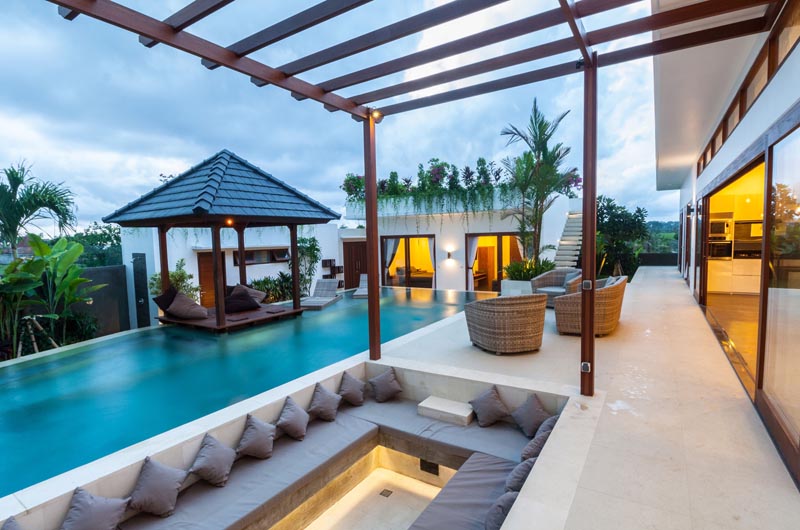
Minimalism has evolved far beyond the stark white rooms and empty shelves of its early aesthetic. Today’s minimalism isn’t about deprivation or achieving some arbitrary number of possessions—it’s about intentional curation, mindful consumption, and designing a life around what genuinely adds value. This new approach to minimalist living recognizes that “less” isn’t the goal; “better” is.
Beyond Decluttering: A Philosophy of Intentionality
Traditional decluttering focuses on removal: getting rid of excess, organizing what remains, and creating physical space. While this is valuable, the new minimalism goes deeper. It’s a proactive practice of evaluating every aspect of your life—possessions, commitments, relationships, digital consumption, even thoughts—and deliberately choosing what deserves your limited resources of time, energy, and attention.
The question shifts from “What can I eliminate?” to “What do I want to invite into my life, and what does that require letting go of?”
Quality Over Quantity in Practice
Possessions with Purpose
Instead of counting items or following arbitrary rules, focus on functionality and joy. A minimalist kitchen might contain fifty high-quality tools used regularly rather than ten mediocre ones gathering dust. The goal isn’t emptiness—it’s eliminating the friction of searching through unused items to find what you actually need.
Consider the “one in, one out” rule, but with intention: when acquiring something new, ensure it serves a genuine purpose or brings authentic joy. If it replaces something inferior, release the lesser item. This practice prevents accumulation while constantly improving the quality of what surrounds you.
The Capsule Wardrobe Evolution
Rather than adhering strictly to a specific number of pieces, build a wardrobe of items you genuinely love and that work together seamlessly. Choose quality fabrics that last, classic styles that transcend trends, and colors that complement each other. The result is a closet where every item is wearable, eliminating decision fatigue and the “closet full of clothes but nothing to wear” paradox.
This approach often means investing more per item but spending less overall, as quality pieces last years rather than seasons.
Minimalism in Digital Spaces
Digital Decluttering
Your digital environment impacts your mental clarity as much as your physical space. Apply minimalist principles to your devices: organize files into intuitive folders, unsubscribe from unnecessary emails, delete apps you haven’t used in months, and curate your social media feeds to include only accounts that inform, inspire, or genuinely entertain you.
Implement a “digital sunset” routine: close unnecessary tabs, file documents appropriately, and clear your desktop before ending each workday. Starting each morning with a clean digital slate reduces cognitive load and improves focus.
Attention as Your Most Valuable Asset
In the attention economy, your focus is constantly being harvested by apps, notifications, and endless content streams. Minimalist living means becoming fiercely protective of your attention. Disable non-essential notifications, batch check emails and messages, and create phone-free periods throughout your day. Every notification you eliminate is attention reclaimed for what matters to you.
Curating Commitments and Time
The Power of Saying No
Perhaps the most challenging aspect of modern minimalism is applying it to your calendar. Saying no to good opportunities to preserve space for great ones requires courage and clarity about your priorities. Before accepting any commitment—social, professional, or personal—ask: “Does this align with my current goals and values, or am I saying yes from obligation, FOMO, or habit?”
A minimalist calendar isn’t empty; it’s intentionally filled with activities that energize rather than drain you, leaving buffer space for spontaneity, rest, and the unexpected.
Strategic Social Circles
Quality relationships require time and energy. While you can maintain many acquaintances, deep, fulfilling connections demand regular investment. The new minimalism encourages evaluating your relationships honestly: which friendships truly nourish you? Where are you maintaining connections from guilt or history rather than genuine mutual enjoyment?
This doesn’t mean coldly cutting people from your life, but rather consciously investing your limited social energy in relationships that reciprocate care, support your growth, and bring authentic joy.
Mindful Consumption Practices
Before You Buy
Implement a waiting period before non-essential purchases. For items under $100, wait 48 hours. For larger investments, wait 30 days. This simple practice eliminates impulse buying and ensures purchases align with actual needs rather than momentary desires. You’ll be surprised how often the urge passes completely.
The True Cost Calculation
Consider not just the monetary price but the full cost of ownership: storage space required, maintenance needs, mental energy to manage it, and disposal challenges. A “free” item that clutters your home and requires upkeep isn’t actually free—it’s extracting ongoing costs from your peace of mind.
Creating Intentional Spaces
Functional Minimalism
Design each space in your home with clear purpose. A reading nook should contain only what supports reading: comfortable seating, good lighting, a small bookshelf, perhaps a side table for tea. Removing items unrelated to the space’s purpose creates an environment that naturally draws you into the intended activity.
The Beauty of Empty Space
Negative space isn’t wasted space—it’s breathing room. A shelf that’s 60% full is easier to maintain, more visually peaceful, and allows possessions to be appreciated rather than overlooked. Empty surfaces become useful workspace rather than magnets for clutter.
Building Sustainable Minimalist Habits
The One-Touch Rule
When you pick something up, deal with it immediately rather than moving it to another “later” pile. Mail gets opened and processed, not set aside. Dishes go directly into the dishwasher. Clothes are hung up or placed in the hamper. This simple rule prevents the accumulation of small tasks that create visual and mental clutter.
Regular Reassessment
Minimalism isn’t a destination but an ongoing practice. Schedule quarterly reviews of your spaces, commitments, and possessions. As your life evolves, what serves you changes. Something essential last year might be dead weight today.
The Freedom Formula
The ultimate promise of new minimalism isn’t a particular aesthetic or arbitrary possession count—it’s freedom. Freedom from the burden of managing excess, from decision fatigue, from comparing yourself to others’ curated highlights, from the constant pressure to acquire more. It’s the freedom to focus your finite time, energy, and resources on what genuinely matters to you.
This philosophy recognizes that your ideal minimalism looks different from anyone else’s. A artist’s minimalism might include extensive art supplies; a chef’s might feature a well-stocked kitchen. The goal is removing everything that doesn’t support your particular version of a well-lived life, leaving space for what does.
Start where you are. Choose one area—a drawer, a digital folder, a weekly commitment—and apply intentional curation. The practice builds on itself, gradually transforming not just your spaces but your entire relationship with consumption, time, and what constitutes enough.